
 By Elina
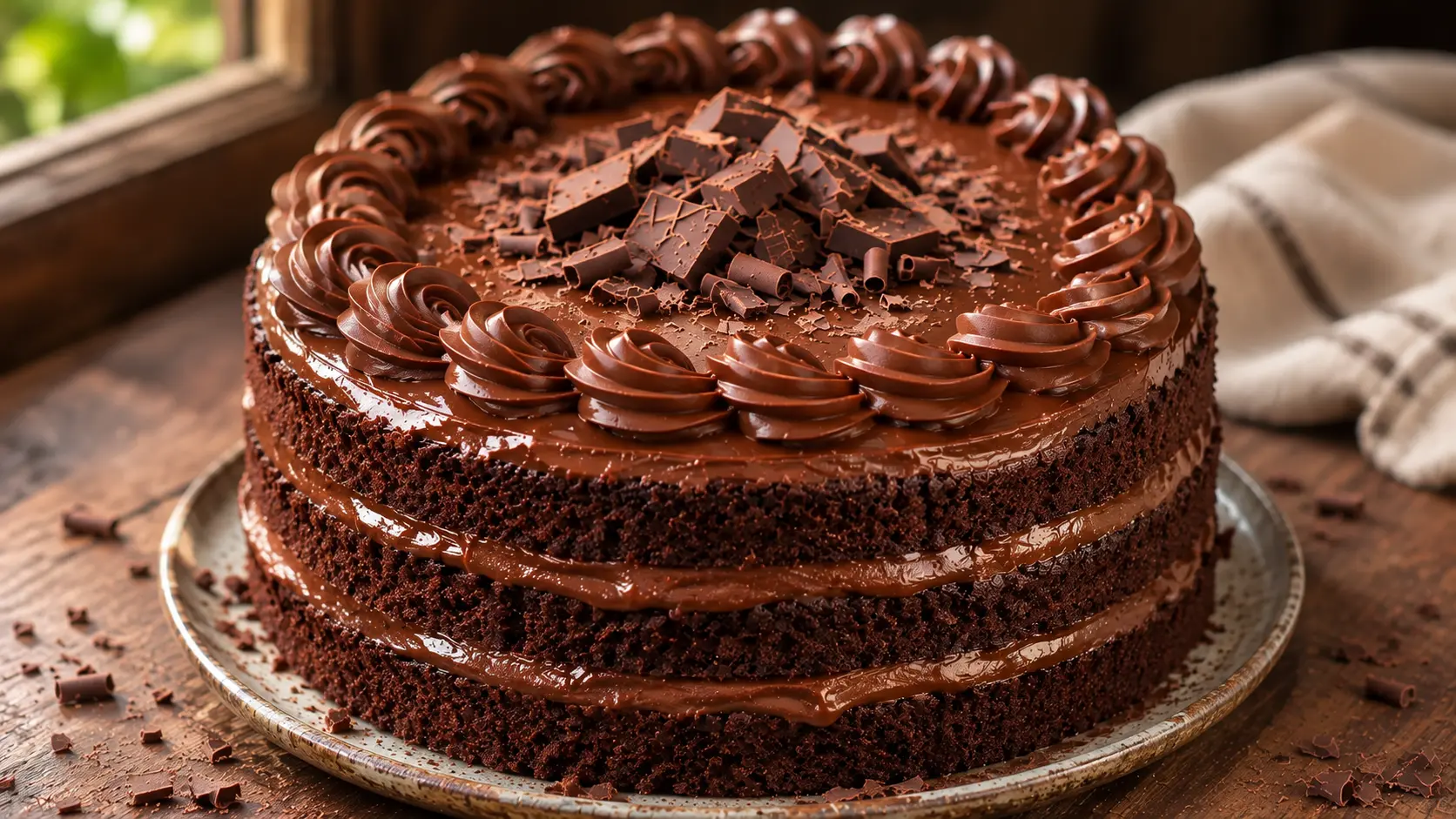
This fudge chocolate cake recipe is for the baker who wants the cake in the photo: a dense, damp crumb that eats like a brownie crossed with a layer cake, wrapped in frosting that actually tastes like fudge instead of sweetened butter. The whole thing takes about an hour and 45 minutes including cooling and decorating, serves 12, and the single decision that matters most is pulling the layers from the oven while a skewer still shows a few moist crumbs — five minutes past that point and you have a good chocolate cake, not a fudge one.
Everything else in the method protects that crumb. Oil instead of butter in the batter keeps it moist even after a night in the fridge, buttermilk and hot coffee wake up Dutch-process cocoa, and the frosting is built on real melted chocolate, not cocoa and sugar alone. That is why it sets with a soft snap at the edge and a creamy center instead of crusting over like ordinary buttercream.
Why This Fudge Chocolate Cake Recipe Tastes Like Fudge
Most chocolate cakes fail at fudge because they borrow a sponge-cake method: creamed butter, lots of air, a light crumb. This one goes the other way. The batter is thin — thin enough that first-timers often think they have done something wrong — and that thinness is the point. A wet batter bakes into a tight, moist crumb with no dry pockets, and the hot coffee blooms the cocoa so the chocolate flavor reads dark and grown-up rather than sweet and flat. Coffee does not make the cake taste like coffee; it makes it taste more like chocolate, and hot water works in its place if you would rather skip it.
The frosting earns the name the same way. Melted dark chocolate gives it body and a real chocolate finish, the small amount of cocoa deepens the color, and the cream keeps it soft enough to slice cleanly straight from the fridge. If your frosting has ever tasted like sweet butter with a rumor of chocolate, this is the fix: chocolate first, sugar second.
Ingredients
- 2 cups (250 g) all-purpose flour
- 3/4 cup (75 g) Dutch-process cocoa powder
- 2 cups (400 g) granulated sugar
- 2 teaspoons baking soda
- 1 teaspoon baking powder
- 1 teaspoon fine salt
- 1 cup (240 ml) buttermilk, room temperature
- 1/2 cup (120 ml) neutral oil, such as vegetable or sunflower
- 2 large eggs, room temperature
- 2 teaspoons vanilla extract
- 1 cup (240 ml) hot strong coffee (or hot water)
- 8 oz (225 g) dark chocolate (60–70% cocoa), chopped and melted, cooled slightly
- 1 1/2 cups (340 g) unsalted butter, softened
- 1/4 cup (25 g) Dutch-process cocoa powder
- 2 1/2 cups (300 g) powdered sugar, sifted
- 1/4 cup (60 ml) heavy cream
- 1 teaspoon vanilla extract
- Pinch of fine salt
- 1 cup (150 g) dark chocolate chunks
- 1/2 cup (50 g) chocolate shavings
A note on the cocoa: Dutch-process is worth buying for this cake. It gives the near-black crumb and the mellow, deep chocolate flavor in the photo, while natural cocoa bakes up lighter and sharper. And measure the flour by spooning it into the cup and leveling it off — scooping straight from the bag packs in up to a quarter-cup extra, and that is the most common reason a fudge cake comes out dry.
Baking It, Start to Finish
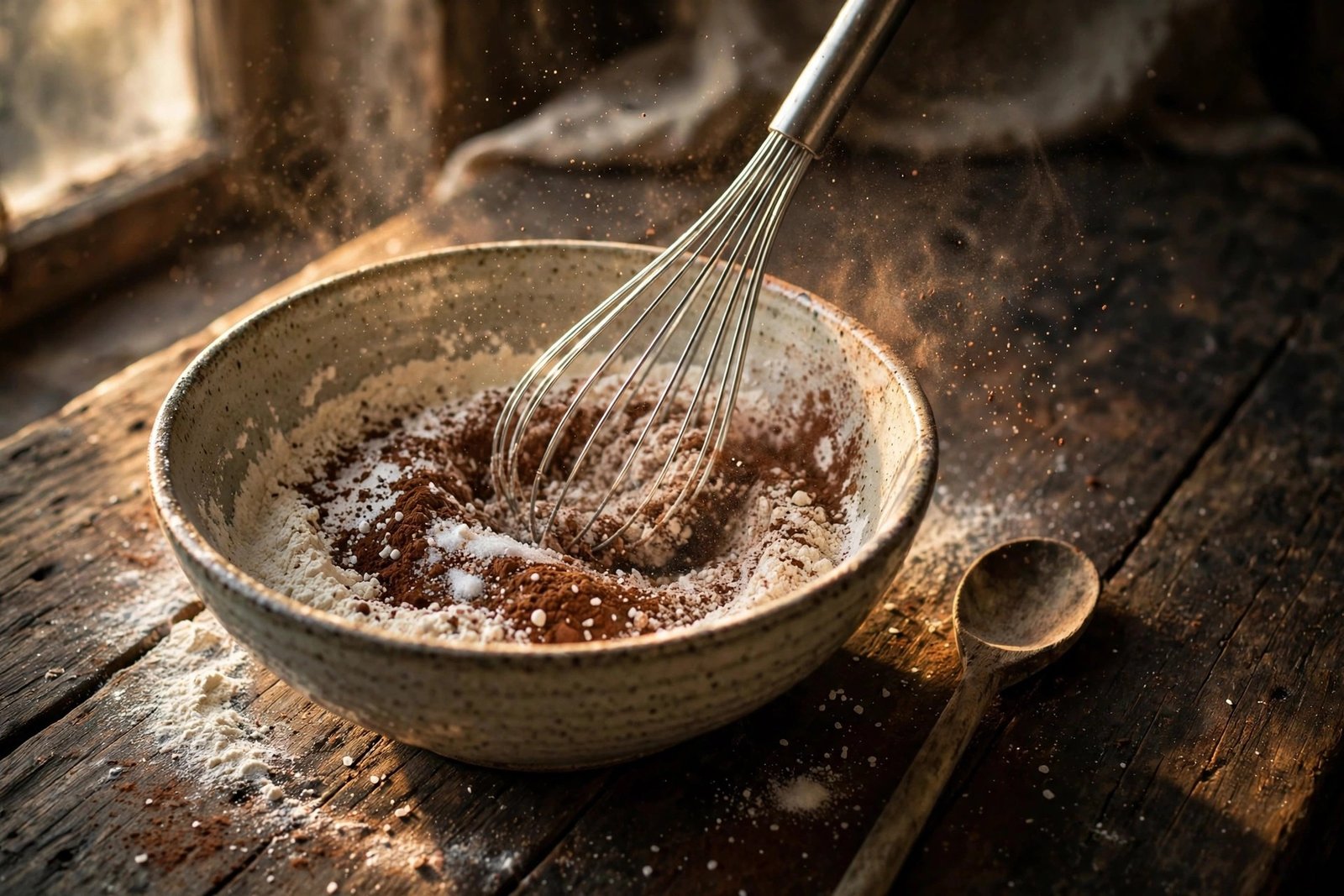
Step 1: Whisk the dry ingredients. Heat the oven to 350°F (175°C). Grease two 9-inch round cake pans, line the bottoms with parchment paper, and grease the parchment too. In a large bowl, whisk the flour, the 3/4 cup of cocoa, the sugar, baking soda, baking powder and salt until no streaks of cocoa remain.
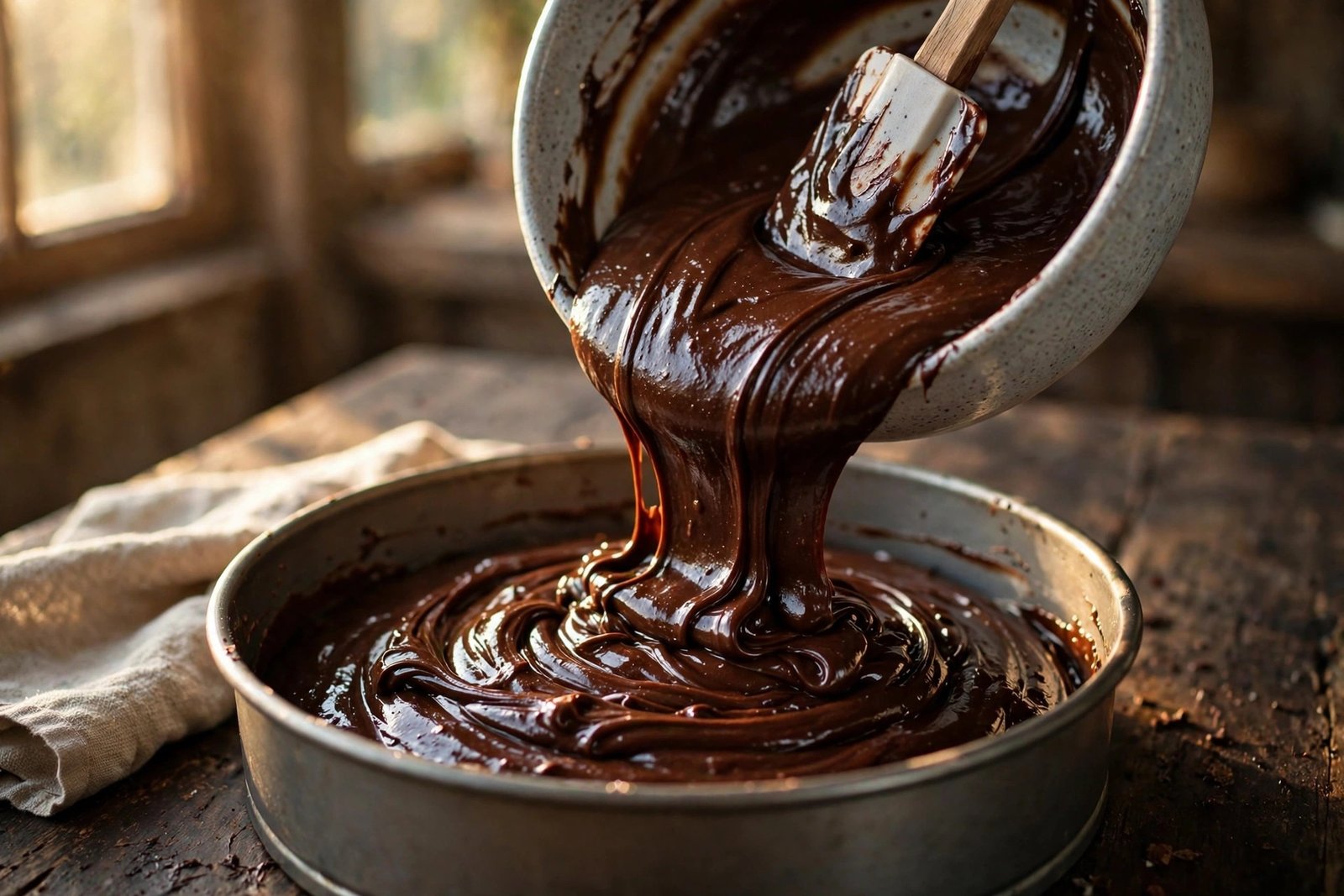
Step 2: Mix the batter. In a jug, whisk the buttermilk, oil, eggs and the 2 teaspoons of vanilla. Pour the wet mixture and the hot coffee into the dry ingredients and whisk until smooth and glossy. The batter will be thin, almost like pancake batter — that is correct, and it is what keeps the crumb moist.
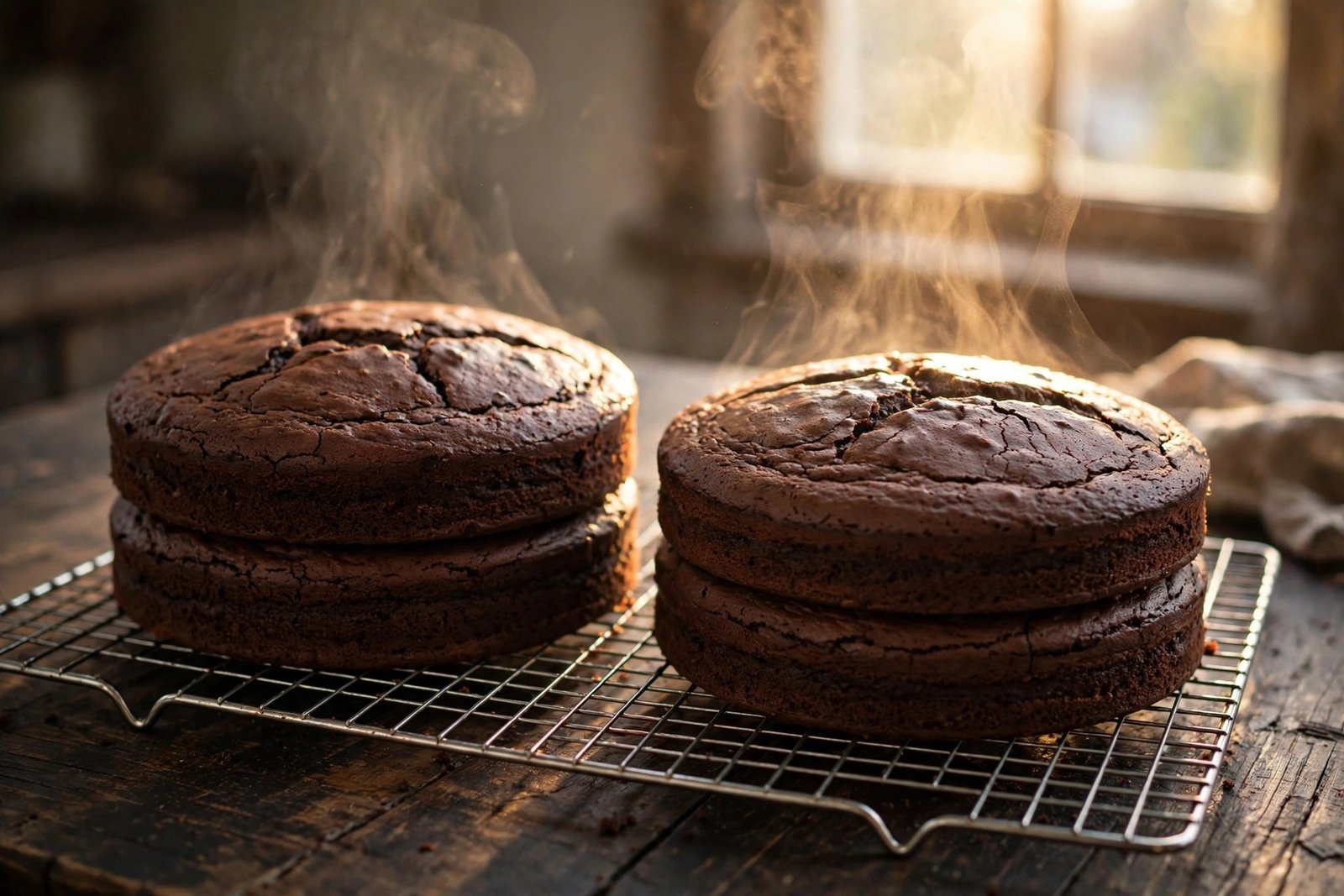
Step 3: Bake and cool completely. Divide the batter evenly between the pans and bake for 30–35 minutes, until a skewer pushed into the center comes out with a few moist crumbs clinging to it — not wet batter, and not clean. Cool in the pans for 15 minutes, turn out onto a rack, and leave until completely cool, about 45 minutes. Warm layers melt frosting, so do not rush this; if the layers still feel warm to the palm, wait.
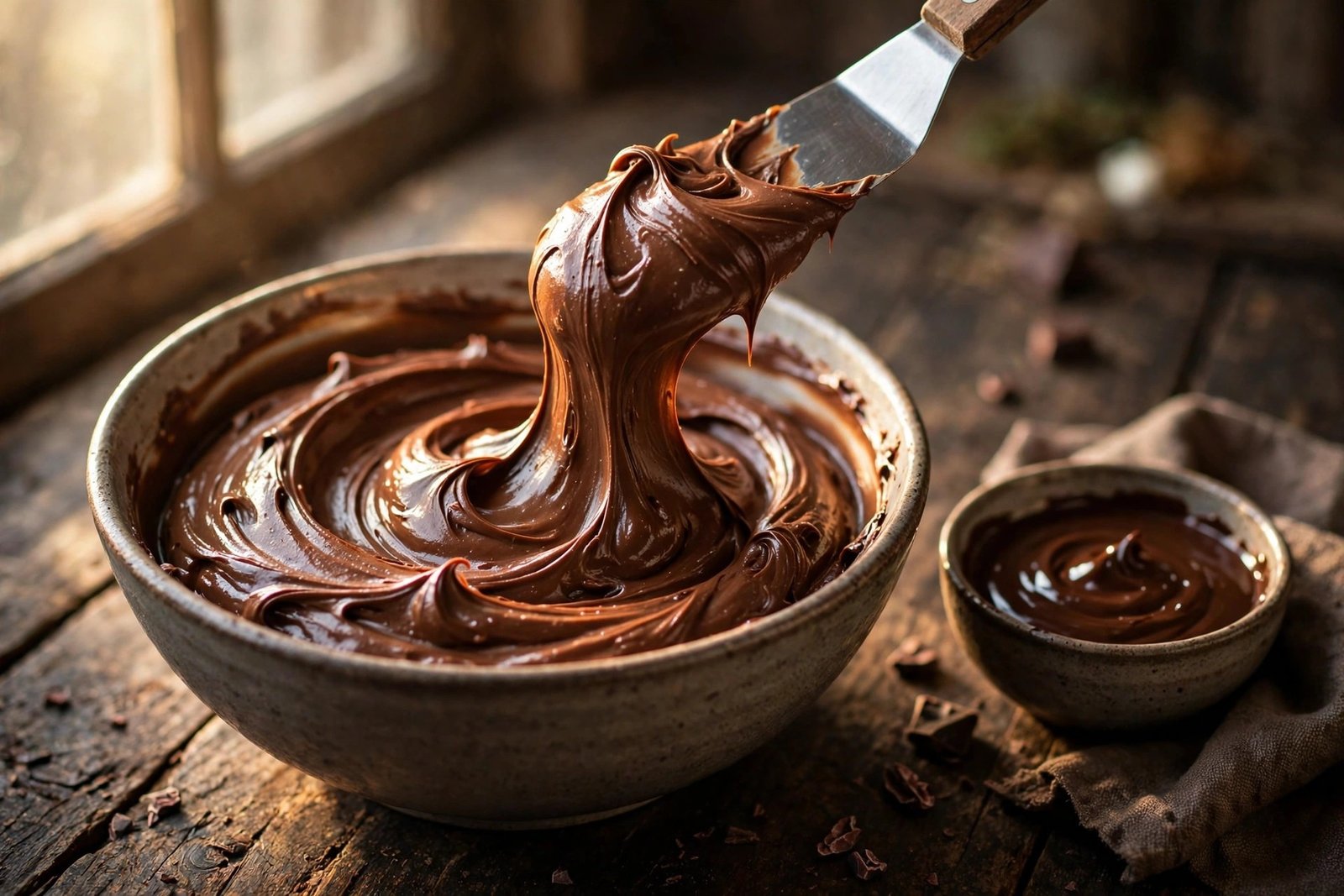
Step 4: Whip the fudge frosting. Beat the softened butter for 2 minutes until pale and creamy. Beat in the melted, slightly cooled chocolate and the 1/4 cup of cocoa, then add the powdered sugar in two batches, alternating with the cream. Add the remaining 1 teaspoon of vanilla and the pinch of salt and beat 2–3 minutes more, until thick, glossy and spreadable. If it feels too soft to hold a swirl, chill the bowl for 15 minutes and beat again briefly.
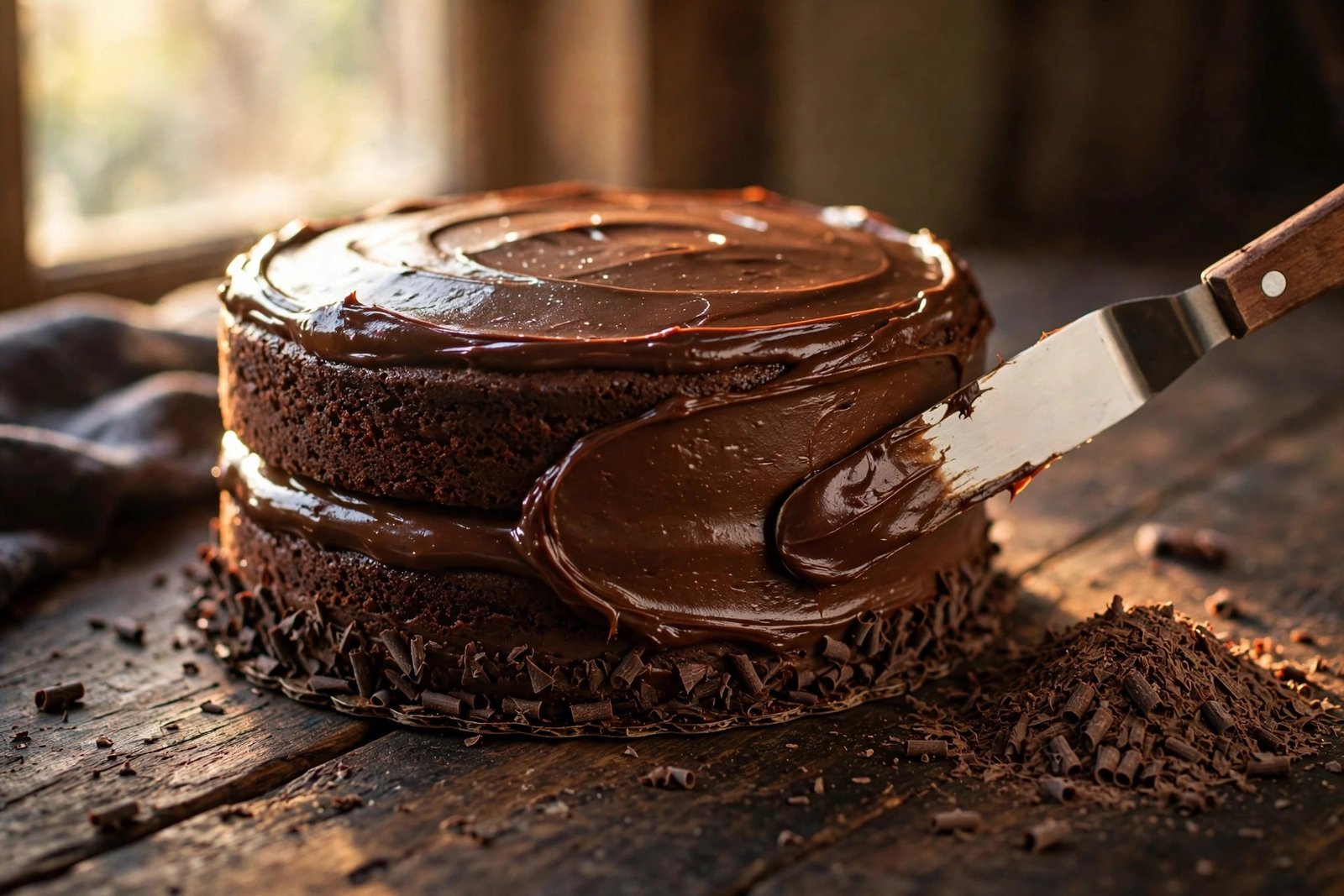
Step 5: Stack, frost and edge with shavings. If a layer domed, trim it flat with a long serrated knife. Set the first layer on a stand or plate, spread about 3/4 cup of frosting over it, and set the second layer on top. Spread a thin crumb coat over the whole cake and chill for 20 minutes — this traps the loose crumbs so the final coat goes on smooth. Then spread the remaining frosting in a smooth, even coat and press the chocolate shavings gently around the base, a small handful at a time.
Step 6: Pipe, pile and slice. Fit a piping bag with a large star tip, fill it with the leftover frosting, and pipe swirls around the top edge. Pile the chocolate chunks into the center and scatter the remaining shavings over them. To slice, run a long knife under hot water, wipe it dry, and cut with one steady downward press, wiping and reheating between cuts — a hot, clean blade is what keeps the fudge layers and the frosting from dragging.
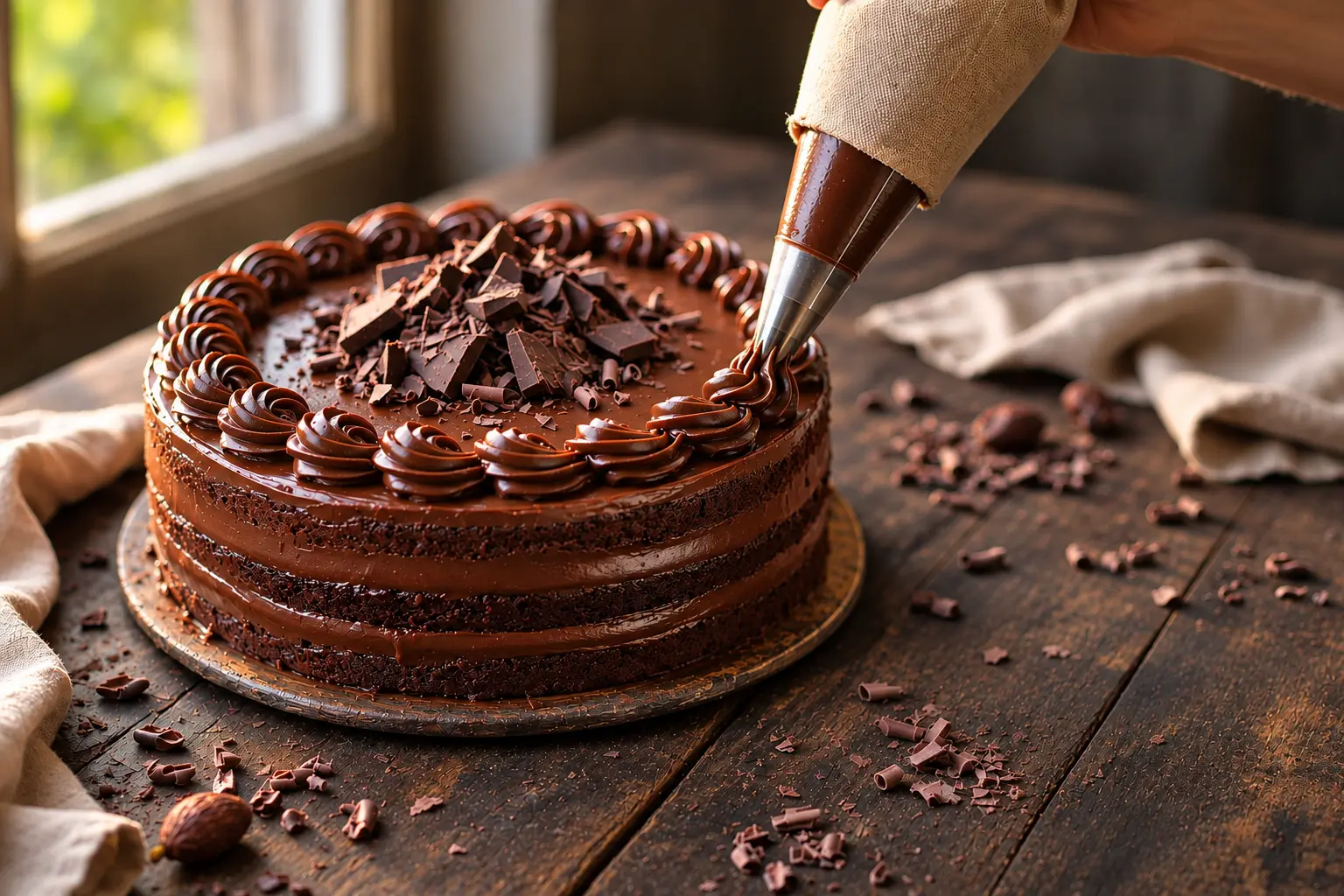
Getting the Topping to Look Like the Photo
The photo’s topping is not complicated, but the order matters. Pipe the swirls first, while the frosting is still soft enough to hold a sharp point, and only then pile the chunks into the middle — chunks placed first get knocked over by the piping bag. Use chunks, not chips: chips are too small to read from across the table, while the big, irregular pieces catch the light and give the cake its bakery-window look. Any leftover chunks are not wasted; folded into the chocolate peanut clusters, they make a second dessert out of what would otherwise sit in the pantry.
For the shavings at the base, a vegetable peeler drawn down the flat side of a room-temperature chocolate bar gives wide curls; a cold bar shatters into dust instead. Press them on with the flat of your hand, not your fingertips, or they crack and slide down the frosting.
Fixes for the Usual Failures
Dry crumb. Almost always overbaking or over-measured flour. Trust the moist-crumb skewer test over the clock, and spoon-and-level the flour. If your oven runs hot, start checking at 28 minutes.
Sunken center. The oven door was opened early, or the batter was overmixed after the coffee went in. Whisk just until smooth — a few tiny lumps are fine — and leave the door shut for the first 25 minutes.
Frosting too soft to pipe. The melted chocolate was still warm when it went into the butter, or the kitchen is warm. Chill the bowl for 15 minutes and beat again; do not add more powdered sugar, which makes it sweet without making it firm.
Frosting sliding off the layers. The layers were still warm. There is no rescue that looks as good as waiting, so if it happens, scrape it off, chill the layers for 30 minutes, and start the frosting step again.
Cracked top on the layers. Normal for this batter, and harmless — the cracked side goes down as the bottom layer, or gets trimmed flat before stacking.
Storing and Making It Ahead
Covered at room temperature, the cake stays moist for 2 days; refrigerated in an airtight container, it keeps for 5 days and actually slices neater cold — bring slices to room temperature for 20 minutes before serving so the frosting softens. The unfrosted layers freeze well for up to 3 months: wrap each layer tightly in plastic wrap and foil, thaw overnight in the fridge, and frost the next day. The finished, decorated cake also freezes for up to a month if you freeze it uncovered for an hour first so the swirls set, then wrap it. For a lighter finish after a rich cake like this, the caramel flan is a good next-day dessert — cool, silky, and a complete change of texture.
More Chocolate Desserts to Try
If this cake leaves you with a chocolate habit to feed, the Hawaiian pineapple cake is the sunny opposite — fruit, soft crumb and a lighter frosting — and it uses the same two-pan method, so the pan prep will already feel familiar.
Follow us on Instagram for more recipes: Follow us on Instagram
Frequently Asked Questions
Can I use natural cocoa instead of Dutch-process?
Yes, but expect a lighter-colored, slightly sharper-tasting cake. Natural cocoa is more acidic, and with this recipe’s baking soda it will still rise fine — the flavor just will not be as deep or as dark as the photo. If you only have natural cocoa, it is a reasonable swap, not a disaster.
Can I make this cake without coffee?
Yes — use the same amount of hot water. The coffee deepens the chocolate flavor without leaving a coffee taste, so the water version is a little milder but still a proper fudge cake.
Why did my cake turn out dry?
The two usual causes are baking past the moist-crumb stage and packing too much flour into the cup. Check at 30 minutes, pull the layers when the skewer shows moist crumbs, and spoon the flour into the measuring cup instead of scooping.
Can I bake this as a sheet cake or cupcakes?
Yes. In a greased 9×13-inch pan it takes 40–45 minutes; as cupcakes, fill liners two-thirds full and bake 18–20 minutes. The frosting and topping quantities cover either version, though you will pipe dollops rather than a ring of swirls on cupcakes.
