Bakery-Style White Cake Recipe: Irresistibly Soft, Fluffy & Never Dry

Bakery-Style White Cake Recipe

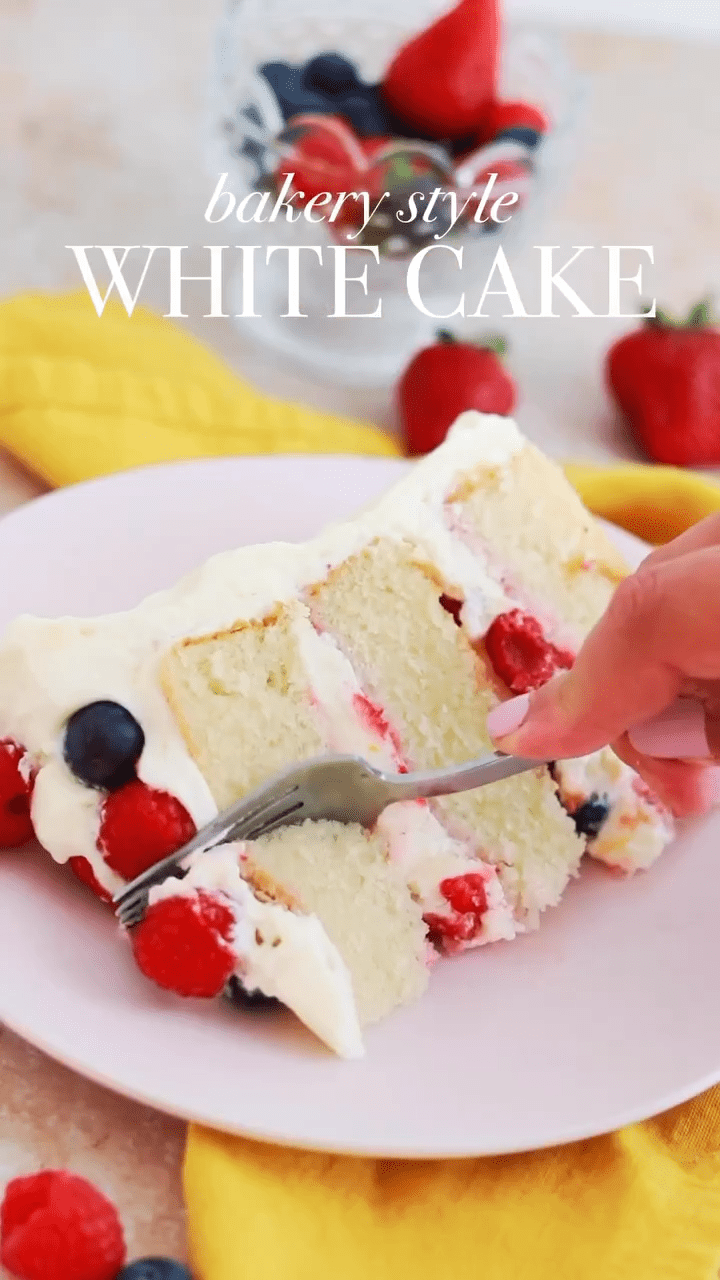
There’s something truly special about a Bakery-Style White Cake—soft, fluffy, moist, and perfectly sweet with a delicate vanilla flavor. Its light color and tender crumb make it feel elegant enough for weddings and celebrations while still being simple enough to enjoy as an everyday homemade dessert.

A good Bakery-Style White Cake has a texture that is soft and airy without being dry or crumbly. The layers should be light yet sturdy enough to hold frosting, fillings, and decorations. Whether you’re making this cake for a birthday, baby shower, wedding, holiday celebration, or simply to enjoy with a cup of coffee, it is one of the most versatile cake recipes you can keep in your collection. In this guide, you’ll learn how to make a delicious Bakery-Style White Cake from scratch, understand why each ingredient matters, and discover helpful tips for achieving that soft, tender texture. You’ll also find frosting ideas, decorating suggestions, storage instructions, and answers to common questions so you can confidently make this classic cake at home.

aacd0e57 8061 4ff6 8a66 b36bd60d2369


Table of Contents

How to Make a Bakery-Style White Cake

A white cake differs from a traditional yellow cake because it typically uses egg whites instead of whole eggs. This helps create its signature pale color and contributes to a lighter, more delicate crumb. While white cake may look simple, its mild vanilla flavor makes it an excellent base for countless fillings, frostings, and decorations. A homemade Bakery-Style White Cake should have a balanced texture. It needs enough structure to stack into beautiful layers while remaining soft, moist, and tender when sliced. The combination of cake flour, butter, oil, egg whites, and buttermilk helps create that balance.

Why Choose a Bakery-Style White Cake?

White cake is one of the most versatile cakes you can bake. Its delicate flavor pairs beautifully with vanilla, chocolate, berries, citrus, caramel, coconut, and many other ingredients. Unlike richer yellow cakes, a Bakery-Style White Cake has a lighter appearance and a more refined crumb. This makes it particularly popular for formal celebrations, decorated layer cakes, and occasions where you want a clean, elegant presentation.

You can use this cake recipe as the foundation for:

  • Birthday cakes
  • Wedding cakes
  • Baby shower cakes
  • Graduation cakes
  • Layer cakes
  • Fruit-filled cakes
  • Vanilla celebration cakes
  • Decorated buttercream cakes

The neutral flavor also allows the frosting and filling to stand out without overpowering the cake itself.

Ingredients Breakdown

To make this Bakery-Style White Cake, you’ll need the following ingredients:

Cake Flour

Cake flour is essential for creating a tender and delicate crumb. It has a lower protein content than all-purpose flour, which helps produce a softer texture. For the best results, sift the cake flour before measuring. This helps remove lumps and keeps the flour light and evenly distributed throughout the batter.

Baking Powder and Baking Soda

These leavening agents help the cake rise and develop a light texture. Baking soda reacts with the acidity in the buttermilk, helping create a tender and fluffy crumb. Baking powder provides additional lift, which is especially important for achieving tall, soft cake layers.

Salt

A small amount of salt enhances the overall flavor of the cake. It balances the sweetness and prevents the vanilla flavor from tasting flat. Even though the amount is small, salt plays an important role in creating a well-balanced Bakery-Style White Cake.

Granulated Sugar

Sugar does much more than simply sweeten the cake. It also contributes to moisture, structure, and tenderness. When sugar is creamed with butter, it helps incorporate tiny air pockets into the mixture. These air pockets expand during baking and contribute to a lighter cake texture.

Unsalted Butter

Butter adds richness and classic bakery-style flavor. Make sure the butter is softened to room temperature so it can cream properly with the sugar. Cold butter does not incorporate air efficiently, while overly melted butter can change the structure of the batter.

Egg Whites

Using egg whites instead of whole eggs helps maintain the cake’s signature white color. Egg whites also contribute structure and create a lighter texture. Room-temperature egg whites blend more easily into the batter and help create a smooth, consistent mixture.

Vegetable Oil

Oil is one of the secrets to keeping a Bakery-Style White Cake soft and moist. Butter provides excellent flavor, while oil helps the cake retain moisture for longer. Using both ingredients creates a balance between rich flavor and a soft, tender texture.

Pure Vanilla Extract

High-quality vanilla extract gives the cake its classic flavor. Because white cake has a relatively simple flavor profile, good vanilla can make a noticeable difference. For a stronger vanilla flavor, vanilla bean paste can also be used.

Full-Fat Buttermilk

Buttermilk adds moisture and a subtle tanginess while helping tenderize the cake. The acidity in buttermilk also reacts with baking soda, contributing to the soft and fluffy texture that makes this cake feel similar to one from a professional bakery.

Step-by-Step Instructions

1. Prepare Your Pans and Oven

Before you begin mixing the batter, preheat your oven to 350°F (177°C). Grease and line your cake pans with parchment paper. You can use either three 6-inch cake pans or two 8-inch cake pans.

Lining the bottoms of the pans helps prevent sticking and makes it easier to remove the cake layers after baking. Preparing everything before mixing also ensures that the batter can go directly into the oven once it is ready.

2. Mix the Dry Ingredients

In a medium bowl, whisk together the sifted cake flour, baking powder, baking soda, and salt. Whisking the dry ingredients before adding them to the wet ingredients helps distribute the leavening agents evenly throughout the batter. Set the mixture aside while preparing the butter, sugar, and other wet ingredients.

3. Cream the Butter and Sugar

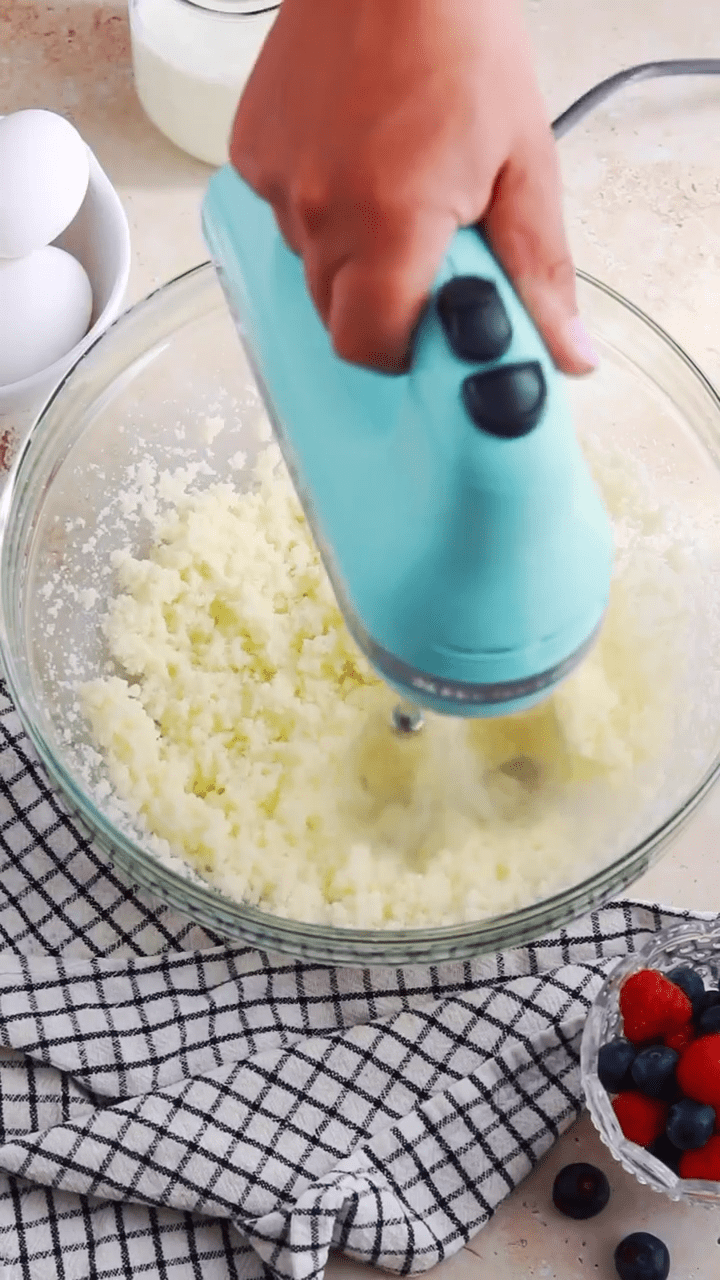
Using a stand mixer fitted with a paddle attachment, or a hand mixer, beat the butter on high speed for about 2 minutes until smooth and creamy. Add the granulated sugar and continue beating on medium-high speed until the mixture becomes light and fluffy, about 2 more minutes. This step is important because creaming butter and sugar incorporates air into the mixture. Those tiny air pockets help create the lighter texture associated with a well-made Bakery-Style White Cake.

2ca77539 9b32 4772 9d7b aeb5aa4d047f


4. Add the Egg Whites and Wet Ingredients

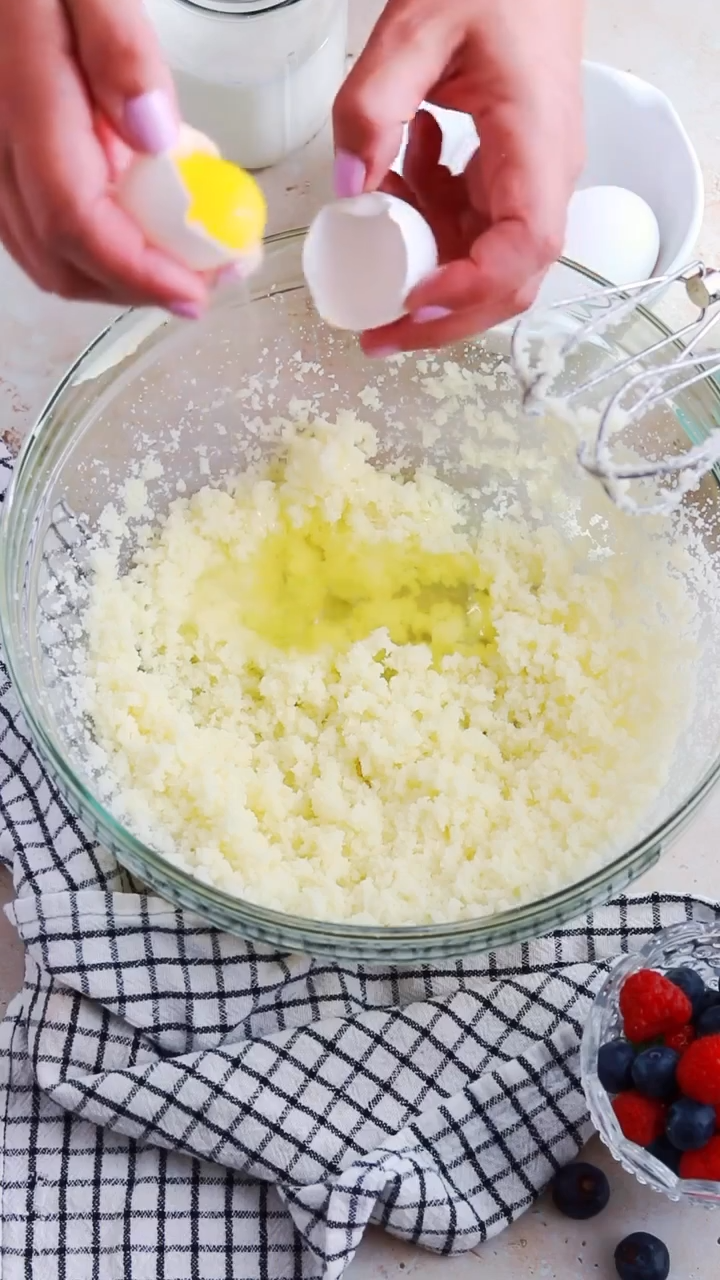
Reduce the mixer speed to low and add the egg whites one at a time. Allow each addition to incorporate before adding the next. Scrape down the sides and bottom of the bowl as needed to ensure everything mixes evenly. Next, add the vegetable oil and vanilla extract. Increase the mixer speed and beat for approximately 1 minute until the ingredients are fully combined. The mixture should look smooth and well blended before moving to the next step.

91d7e7f0 845b 4b64 8177 3e373b01c4f5


5. Incorporate the Dry Ingredients and Buttermilk

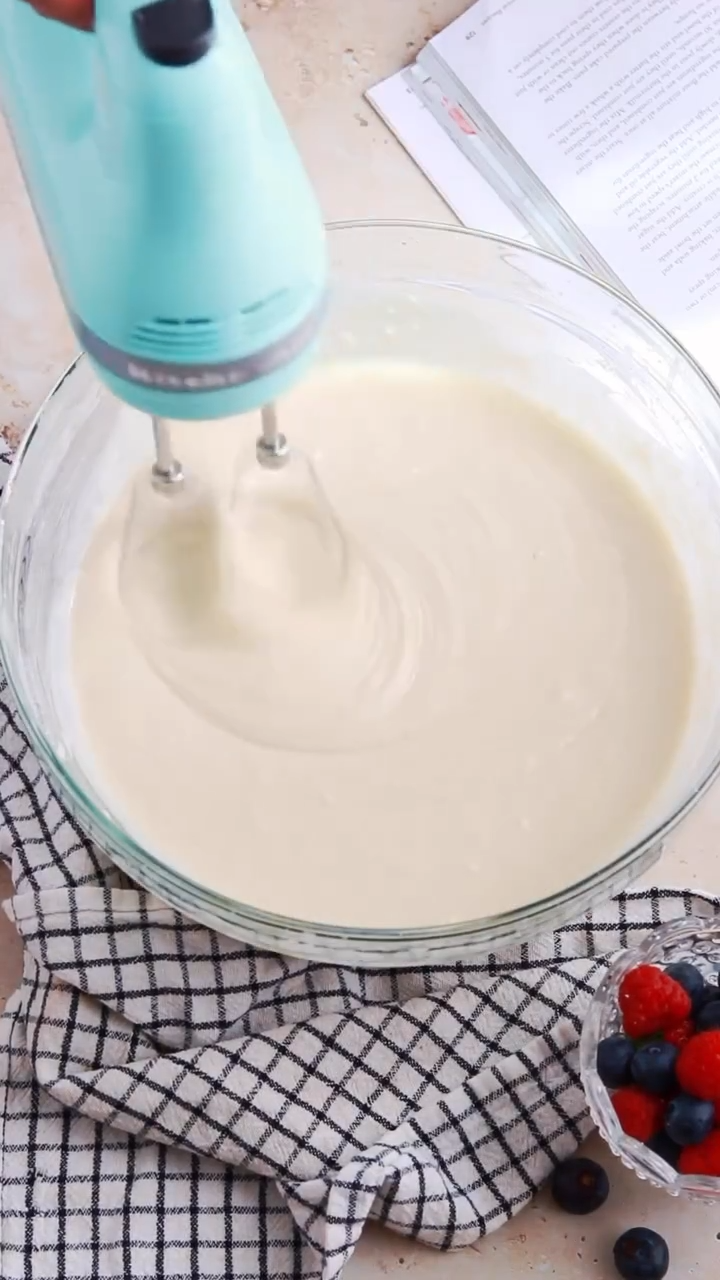
With the mixer running on low speed, add the dry ingredients and mix until they are just combined. Slowly pour in the buttermilk while continuing to mix on low speed. Mix for approximately 30 seconds, or just until the batter becomes smooth. Avoid overmixing at this stage. Excessive mixing can develop the proteins in the flour and result in a denser, tougher cake. The finished batter will be slightly thin, which is completely normal for this type of white cake.

64195916 a922 46f4 b329 8fa51328c10e


6. Bake the Cake

Divide the batter evenly between your prepared cake pans. For evenly sized layers, using a kitchen scale can be especially helpful. Bake for approximately 28 to 32 minutes, or until a toothpick inserted into the center comes out clean or with a few moist crumbs. Try not to overbake the cake. Even a few extra minutes in the oven can reduce moisture and make the layers drier.

e30fd666 8011 4f09 8461 70bacf515e9e


7. Cool and Frost

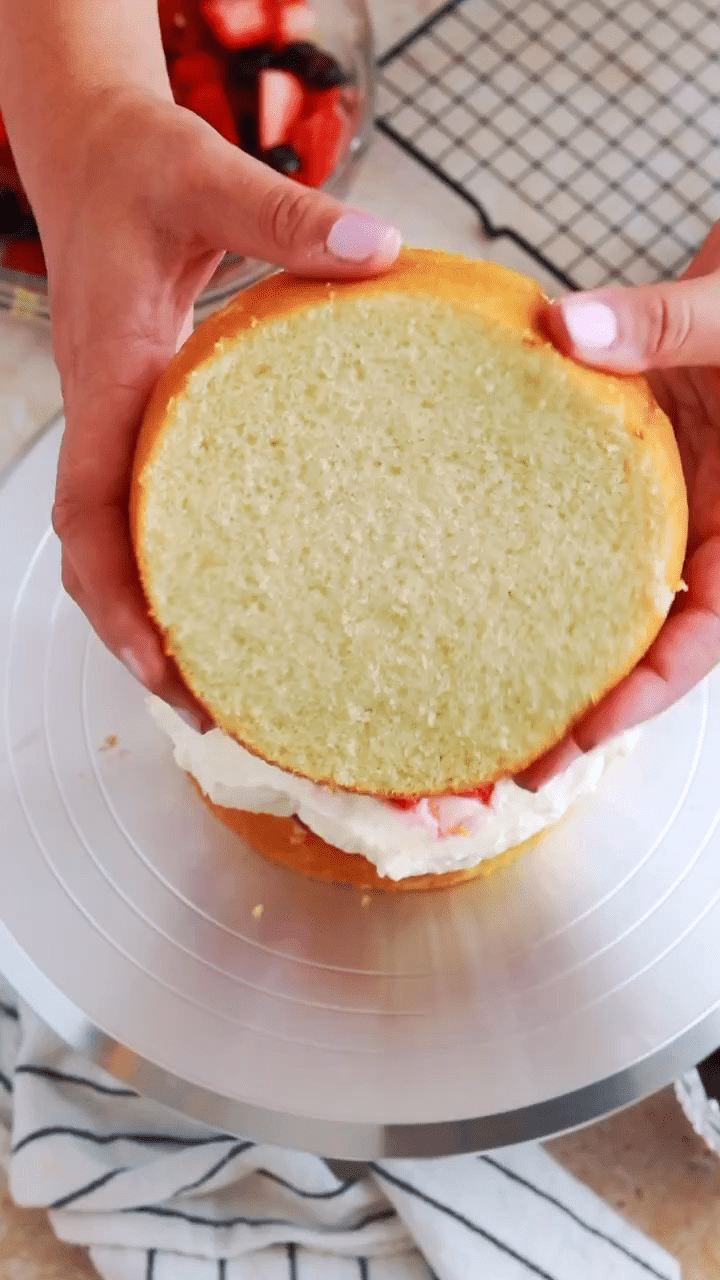
Once baked, allow the cake layers to cool in their pans for approximately 10 minutes. Carefully remove them from the pans and transfer them to a wire rack. Allow the layers to cool completely before adding frosting. Frosting warm cake can cause the frosting to melt, slide, or become difficult to spread evenly.

9ff44820 7c8e 4c7a afd2 d3d7935d198d


Best Frosting Options for Bakery-Style White Cake

One of the best things about a Bakery-Style White Cake is how easily it pairs with different frostings.

Classic Vanilla Buttercream

A fluffy vanilla buttercream is one of the most traditional choices. Its sweet, creamy texture complements the delicate vanilla flavor of the cake and works beautifully for birthdays and decorated layer cakes.

Whipped Cream Frosting

Whipped frosting is light and airy, making it a good choice for people who prefer desserts that are less rich. It pairs especially well with fresh berries and fruit fillings.

Cream Cheese Frosting

Cream cheese frosting adds a slight tanginess that creates a delicious contrast with the sweet cake. This option is particularly good when the cake is paired with fruit fillings.

Strawberry or Raspberry Buttercream

Berry buttercream adds natural fruit flavor and a beautiful pop of color. A strawberry or raspberry filling between the layers can make a simple Bakery-Style White Cake feel more festive and special.

Chocolate Ganache

For chocolate lovers, rich chocolate ganache creates a delicious contrast with the light vanilla cake. You can use it as a filling, drip, frosting, or decorative element.

Tips for the Best Bakery-Style White Cake

Measure Ingredients Accurately

Baking is more precise than many other types of cooking. Using a kitchen scale is the most accurate way to measure flour, sugar, and other ingredients. Too much flour can quickly make a cake dry or dense.

Use Room-Temperature Ingredients

Room-temperature butter, egg whites, and buttermilk blend together more smoothly. Cold ingredients can cause the butter mixture to separate or make the batter uneven.

Don’t Overmix the Batter

Mix only until the ingredients are combined. Overmixing can create too much gluten development, which may result in a heavier and less tender cake.

Use Cake Strips for Even Layers

Cake strips can help the cake bake more evenly and reduce domed tops. They can be particularly useful when you want perfectly level layers for stacking and decorating.

Let the Cake Cool Completely

Patience is important when making a layer cake. A fully cooled Bakery-Style White Cake is much easier to frost, fill, stack, and decorate.

How to Get a Soft and Moist White Cake

A common concern when baking white cake is dryness. Because egg whites contain less fat than whole eggs, it is important to balance the recipe with ingredients that provide moisture. The combination of butter and vegetable oil is especially helpful. Butter contributes flavor, while oil helps the cake remain soft even after refrigeration. Buttermilk also plays an important role. Its moisture and acidity contribute to a tender crumb and help create a soft texture.

To keep your cake moist:

  • Avoid adding too much flour.
  • Do not overmix the batter.
  • Do not overbake the layers.
  • Store the finished cake properly.
  • Use oil along with butter for better moisture retention.
  • Frost the cake once it has completely cooled.

Why Is Bakery-Style White Cake So Soft?

The soft texture comes from several ingredients working together. Cake flour creates a finer, more tender crumb because it contains less protein than all-purpose flour. Egg whites provide structure without adding the yellow color associated with egg yolks. Butter and sugar are creamed together to incorporate air, while baking powder and baking soda provide additional lift during baking. Finally, the buttermilk and oil help maintain moisture. The result is a Bakery-Style White Cake that feels light and delicate while still having enough structure for layering and decorating.

Decorating Ideas for White Cake

A simple white cake can be decorated in countless ways.

Elegant All-White Cake

Use smooth vanilla buttercream and keep the design minimal. Add subtle piping, white sprinkles, or edible pearls for a clean and elegant appearance.

Fresh Berry Cake

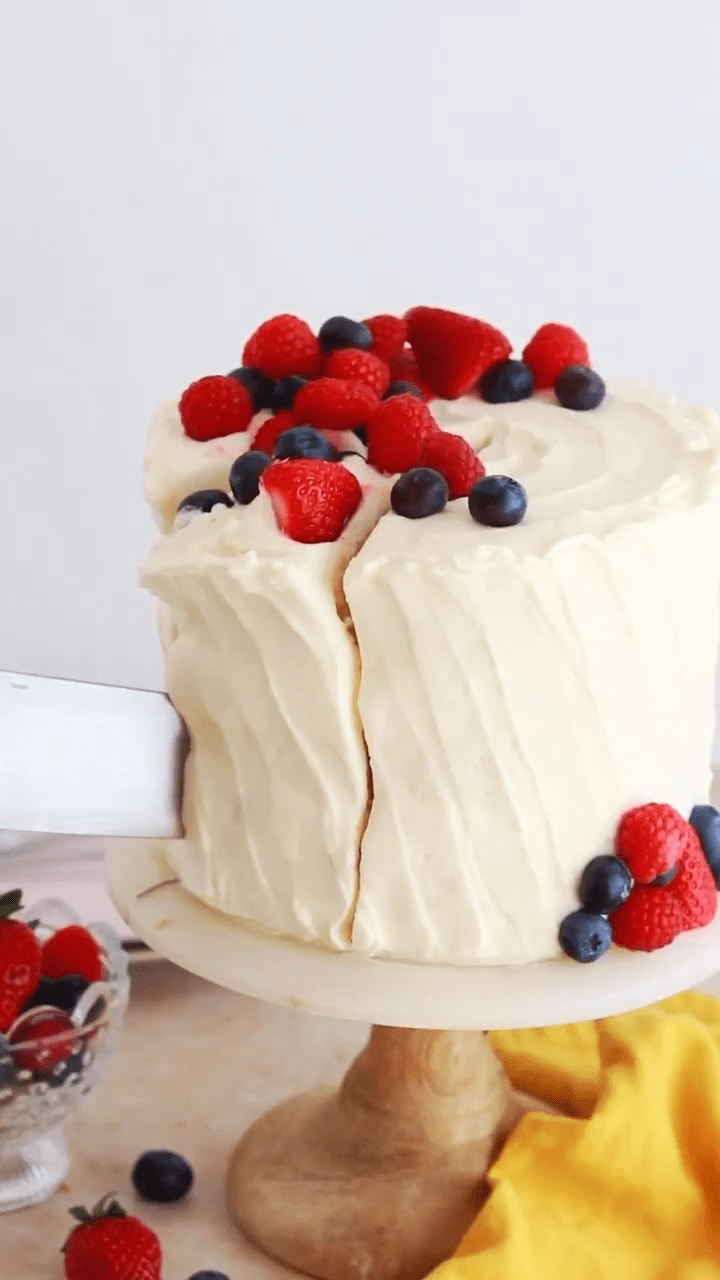
Add strawberries, raspberries, blueberries, or blackberries between the layers and on top of the cake. The fresh fruit adds color and pairs beautifully with the delicate vanilla flavor.

Floral Celebration Cake

Fresh edible flowers or carefully selected decorative flowers can transform a simple white cake into an elegant celebration dessert.

Chocolate Drip Cake

Cover the cake with vanilla buttercream and add a chocolate ganache drip around the top edges. This creates a beautiful contrast between the white frosting and dark chocolate.

Best Filling Ideas for White Cake

The delicate flavor of this cake works beautifully with many fillings.

Popular choices include:

  • Strawberry preserves
  • Raspberry filling
  • Lemon curd
  • Vanilla pastry cream
  • Chocolate ganache
  • Coconut cream
  • Fresh whipped cream
  • Cookies and cream filling

When using soft fillings, create a buttercream border around the edge of each cake layer before adding the filling. This helps keep it contained when the layers are stacked.

Can You Make Bakery-Style White Cake in Advance?

Yes. This cake is an excellent option for making ahead, especially for celebrations. You can bake the cake layers a day before decorating them. Once completely cooled, wrap each layer tightly to prevent moisture loss. For longer storage, the unfrosted layers can also be frozen. Making the layers ahead can make decorating much easier because chilled cake layers are generally firmer and easier to handle.

How to Store Bakery-Style White Cake

Proper storage helps maintain the soft texture and fresh flavor of the cake.

At Room Temperature

Store the cake in an airtight container for up to 2 days. If the cake has a filling or frosting that requires refrigeration, do not leave it at room temperature.

In the Refrigerator

Keep the cake covered in the refrigerator for up to 5 days. Before serving, allow refrigerated slices to sit at room temperature briefly. This can help the frosting soften and allow the cake’s flavor and texture to become more enjoyable.

Freezing the Cake Layers

To freeze unfrosted layers, allow them to cool completely. Wrap each layer tightly and store it in the freezer for up to 3 months. Thaw the layers in the refrigerator overnight before frosting and decorating.

Common Bakery-Style White Cake Mistakes

The Cake Turned Out Dense

Dense cake can result from overmixing the batter, using too much flour, or not properly creaming the butter and sugar. Measure carefully and mix only as long as necessary.

The Cake Is Dry

Dryness is usually caused by overbaking or measuring too much flour. Begin checking the cake near the lower end of the recommended baking time.

The Layers Have Large Domes

A domed cake can occur when the outside edges bake faster than the center. Cake strips can help promote more even baking.

The Frosting Is Sliding Off

This usually happens when the cake has not cooled completely. Always make sure the layers are fully cool before adding frosting.

Frequently Asked Questions

What Is the Difference Between White Cake and Yellow Cake?

White cake generally uses egg whites, while yellow cake typically uses whole eggs or additional egg yolks. This gives white cake a lighter color and a more delicate appearance, while yellow cake has a richer color and flavor.

Can I Use All-Purpose Flour Instead of Cake Flour?

Cake flour is recommended for the softest and most tender texture. All-purpose flour can change the crumb and make the finished cake slightly heavier.

Can I Turn This Into Cupcakes?

Yes. The batter can generally be used for cupcakes. Because baking times vary depending on pan size and oven performance, begin checking them earlier than full cake layers.

What Frosting Is Best for a Bakery-Style White Cake?

Vanilla buttercream is the most classic choice, but whipped frosting, cream cheese frosting, berry buttercream, and chocolate ganache also pair beautifully with the cake.

Final Thoughts

A homemade Bakery-Style White Cake is a classic recipe worth mastering. With its soft texture, delicate crumb, and versatile vanilla flavor, it can be adapted for almost any celebration or dessert. The key is paying attention to the small details: use cake flour for tenderness, cream the butter and sugar properly, avoid overmixing, and watch the baking time carefully. These simple steps can make a major difference in the final texture.

Whether you decorate your Bakery-Style White Cake with classic vanilla buttercream, fresh berries, fruit filling, or rich chocolate ganache, it provides a beautiful foundation for a memorable homemade dessert. Once you master this recipe, you’ll have a reliable cake base that can be customized for birthdays, holidays, weddings, and countless other occasions.

Happy baking! 🍰

Check our Instagram and Facebook pages for more recipes.

Bakery-Style White Cake Recipe: Irresistibly Soft, Fluffy & Never Dry
Bakery Style White Cake Recipe

Make the perfect Bakery-Style White Cake with a soft, fluffy, moist crumb and delicate vanilla flavor. Includes expert baking tips, frosting ideas, storage, and more.

Type: Dessert

Cuisine: American

Keywords: White Cake, Bakery-Style Cake, Fluffy White Cake, Easy White Cake Recipe

Recipe Yield: 3 6-inch layers or 2 8-inch layers

Calories: Approx. 320 kcal per slice (based on 12 slices)

Preparation Time: 20 minutes

Cooking Time: 30 minutes

Total Time: 50 minutes

Recipe Ingredients:

  • 2 1/2 Cups (265g) sifted cake flour
  • 2 tsp baking powder
  • 1/2 tsp salt
  • 1 1/2 Cups (300g) granulated sugar
  • 1/2 Cup (113g) unsalted butter, room temperature
  • 4 large egg whites, room temperature
  • 1/2 Cup (120ml) vegetable oil
  • 1 Tbsp pure vanilla extract
  • 1 1/4 Cups (300ml) full-fat buttermilk

Recipe Instructions:

Prepare Your Pans and Oven:

  • Before you start, preheat your oven to 350°F (177°C). Grease and line your cake pans with parchment paper. You can use either three 6-inch cake pans or two 8-inch cake pans. Lining the pans helps prevent sticking and makes it easier to remove the cakes once baked.

Mix the Dry Ingredients:

  • In a medium bowl, whisk together the sifted cake flour, baking powder, baking soda, and salt. Set this mixture aside while you work on the wet ingredients.

Cream the Butter and Sugar:

  • Using a stand mixer fitted with a paddle attachment (or a hand mixer), beat the butter on high speed for about 2 minutes until creamy. Then, add the sugar and continue beating on medium-high speed until the mixture becomes light and fluffy, about 2 more minutes. This step helps incorporate air into the batter, resulting in a lighter cake.
Add the Egg Whites and Wet Ingredients:

  • Reduce the mixer speed to low and add the egg whites one at a time, making sure each one is fully incorporated before adding the next. Scrape down the sides of the bowl as needed. Next, add the vegetable oil and vanilla extract, then turn the mixer to high and beat for 1 minute to fully incorporate.
ncorporate the Dry Ingredients and Buttermilk:

  • With the mixer on low speed, add the dry ingredients all at once and mix until just combined. Slowly pour in the buttermilk while the mixer is still on low, then mix for about 30 seconds, until the batter is smooth. The batter will be slightly thin, which is completely normal.
Bake the Cake:

  • Divide the batter evenly between your prepared cake pans and bake for 28 to 32 minutes, or until a toothpick inserted into the center comes out clean. Be careful not to overbake, as this can lead to a dry cake.
Cool and Frost:

  • Once baked, let the cakes cool in the pans for about 10 minutes, then transfer them to a wire rack to cool completely before frosting.
Leave a Reply

Your email address will not be published. Required fields are marked *