
 By Esha Kamran
If you love a warm bowl of homemade soup but don’t love the hours of chopping, stirring, and washing up, this handy kitchen gadget is exactly what you need. A soup maker sautés, simmers, and blends for you, turning a handful of everyday ingredients into a restaurant-quality bowl in well under thirty minutes. Whether you’ve owned your machine for years or just unwrapped it, this collection will show you exactly what your appliance can do, from silky smooth blends to hearty chunky bowls.
A good bowl of homemade soup isn’t only about convenience, they are also one of the easiest ways to eat more vegetables, cut down on processed ingredients, and stretch your grocery budget further. Instead of reaching for a tin, you load fresh produce, herbs, and stock into the jug and let the machine handle the rest while you get on with your day. Below, you’ll find creamy, chunky, healthy, quick, and seasonal ideas, along with answers to the questions people search for most about this handy gadget.
Best Creamy Soup Maker Recipes for a Smooth Bowl
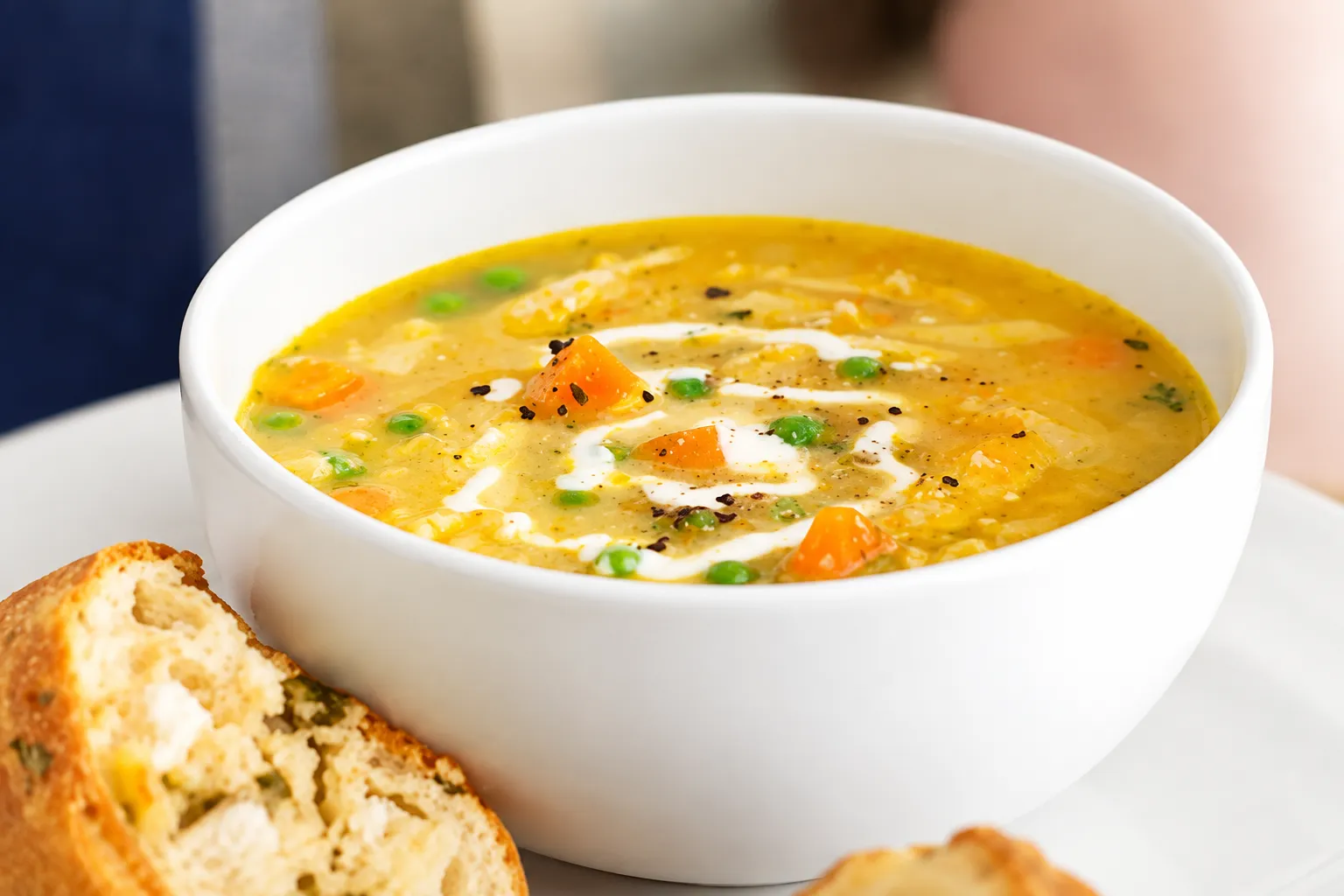
Creamy soups are usually the first thing new owners try, and it’s easy to see why. Setting your machine to the smooth function turns simple combinations, like carrot and coriander or leek and potato, into velvety, comforting bowls with almost no effort. Because the built-in blade does all the blending, you get a silky consistency that would normally take a stick blender and a lot of patience on the stovetop. These are some of the easiest soup maker recipes for beginners to start with.
The trick with these is balancing your liquid and vegetables so the finished texture isn’t too thin or too thick. Starchy vegetables such as potatoes, parsnips, and squash give the smoothest results, while a splash of milk, cream, or coconut milk stirred in near the end adds richness without masking the other flavours.
- Carrot and coriander soup
- Leek and potato soup
- Butternut squash and sweet potato soup
- Broccoli and Stilton soup
- Cream of mushroom soup
How to Get a Silky Texture in Smooth Soup Maker Recipes
A few small adjustments make a big difference to any smooth blend. Chopping vegetables into similar-sized pieces helps everything cook evenly, so the blade isn’t blending some pieces that are still firm while others have turned to mush. Sticking to the maximum fill line also matters, since overfilling the jug can leave the blend patchy instead of uniformly smooth.
If a soup turns out thinner than you’d like, simmering it for a few extra minutes on a manual setting will reduce the liquid and concentrate the flavour. On the other hand, if it’s too thick, stirring in a little extra hot stock or water right before serving loosens it back up without diluting the taste.
Chunky Soup Maker Recipes for Hearty Meals
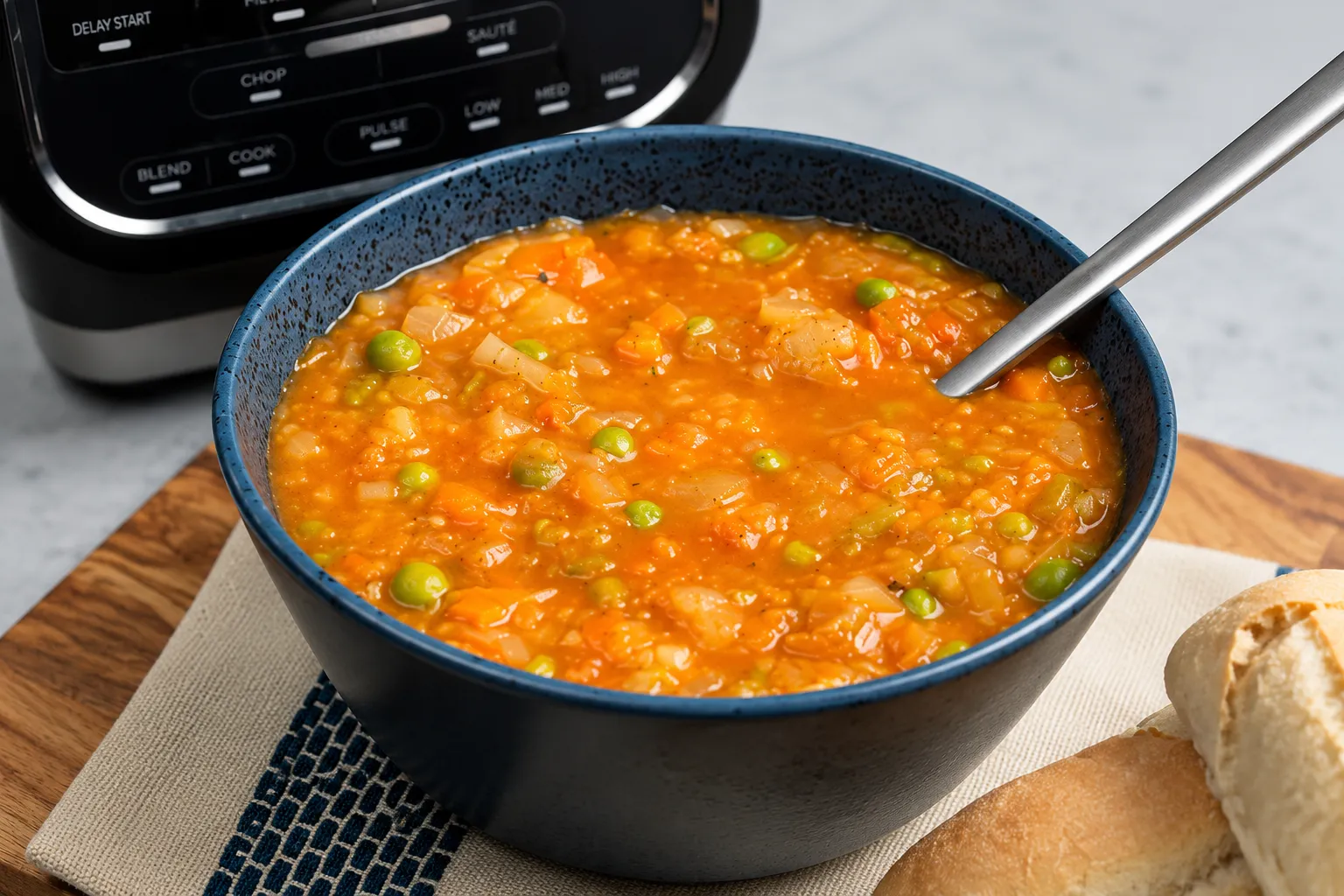
Not every bowl needs to be smooth, and chunky versions are perfect when you want something that eats more like a stew. Selecting the chunky or “rustic” setting on your machine keeps larger pieces of vegetable and meat intact, giving you more texture and a heartier, more filling meal.
These chunky bowls work particularly well for using up leftovers, since cooked chicken, roast vegetables, or leftover ham can be added straight into the jug alongside stock and fresh ingredients. The result is a satisfying, one-pot dinner that needs nothing more than a slice of crusty bread on the side.
- Minestrone soup
- Chicken and vegetable soup
- Split pea and ham soup
- Beef and barley soup
- Chunky tomato and bean soup
- Best Vegetables for Chunky Soup Maker Recipes
Firm vegetables hold their shape best in chunky soups, so root vegetables like carrots, swede, and potatoes are excellent choices. Cabbage, green beans, and peppers also keep some bite, adding welcome variety in colour and texture to every spoonful.
Softer vegetables such as courgette or spinach are best added closer to the end of cooking, since they break down quickly and can turn mushy if they spend too long in the jug. Balancing firm and soft vegetables together is what gives the best chunky soups their satisfying, varied texture.
Healthy Soup Maker Recipes for Every Diet
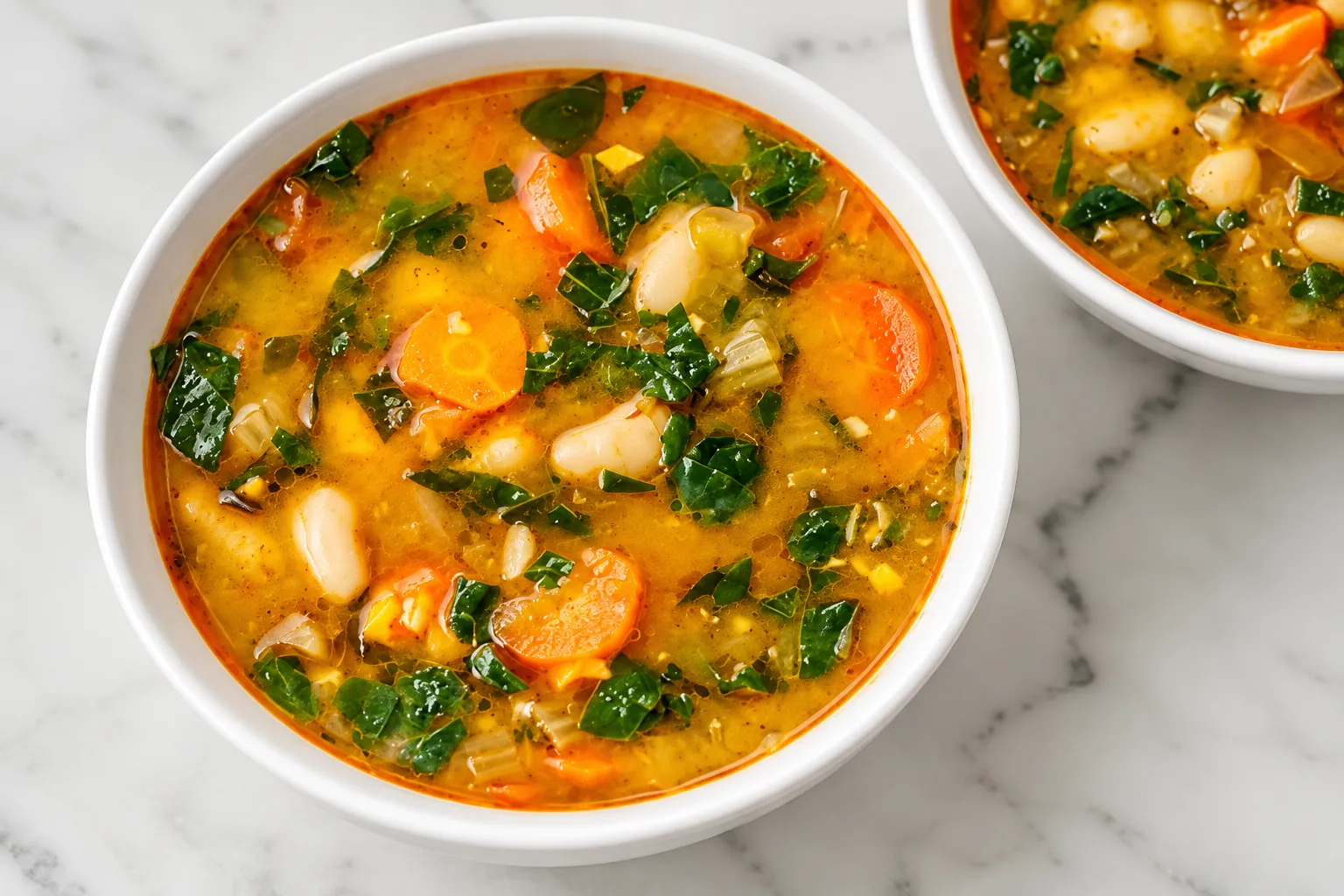
One of the biggest reasons people look for healthier options is portion and ingredient control. Making soup at home means you decide exactly how much salt, fat, and sugar goes into the pot, which is much harder to manage with shop-bought or canned alternatives.
These lighter bowls are also an easy way to hit your five-a-day, since a single bowl can pack in two or three portions of vegetables without anyone noticing. Because the machine does the cooking, there’s no need for extra oil or butter to soften vegetables first, which naturally keeps the calorie count down.
- Vegan lentil and vegetable soup
- Low Calorie and Vegan Soup Maker Recipes
- Gluten free chicken and vegetable soup
- High protein pea and mint soup
- Dairy free cauliflower soup
Vegan soup maker recipes swap dairy for plant-based alternatives like oat milk, coconut milk, or a swirl of cashew cream, while still delivering that same comforting, creamy finish. Pulses such as lentils and split peas are especially useful here, since they naturally thicken the soup and add plant-based protein without any cream at all.
For lower calorie options, leaning on vegetable stock instead of cream-based liquids and bulking recipes out with extra vegetables rather than potatoes keeps the final dish lighter. These small swaps mean a healthier bowl never has to feel like you’re missing out on flavour.
Quick Soup Maker Recipes for Busy Weeknights

When time is tight, these speedy ideas are a genuine lifesaver, since most machines can go from raw ingredients to a finished bowl in twenty to thirty minutes with almost no active effort. Prep is usually limited to a rough chop, meaning dinner can be on the table faster than ordering takeaway. It’s exactly this speed that makes soup maker recipes so popular with busy families.
Batch-friendly options are worth prioritising on busy weeks, since most soups freeze well for up to three months. Making a double batch on a quiet evening means you’ll always have a homemade meal ready to defrost on the nights you don’t have time to cook at all.
- Tomato and basil soup
- Frozen pea and mint soup
- Sweetcorn and potato soup
- Spinach and lentil soup
- Ready-in-20 vegetable soup
Tips to Save Even More Time
Keeping a bag of frozen chopped onions, carrots, and mixed vegetables on hand turns many of these into a genuinely five-minute prep job. Frozen vegetables cook just as well in a soup maker as fresh ones, since everything is blended or simmered down regardless of its starting texture.
Pre-measuring your stock cubes or bouillon into small containers ahead of time also shaves off a few extra minutes on busy evenings. Batching this kind of prep once a week means dinner stays genuinely quick, rather than becoming another chore on top of a long day.
Seasonal Soup Maker Recipes to Try This Year
Rotating what you cook with the seasons keeps things interesting and makes the most of vegetables when they’re cheapest and at their best. Warming, spiced soups tend to dominate in autumn and winter, while lighter, herby versions are more appealing once the weather turns warm. Keeping a rotation of soup maker recipes for each season means you always have something suited to the weather.
Seasonal batches are also a smart way to reduce food waste, since they’re built around whatever is currently in your fridge or at the market rather than a fixed shopping list. A well-stocked freezer of seasonal batches means you’re never far from a comforting bowl, whatever the time of year.
- Autumn pumpkin and ginger soup
- Winter parsnip and curry soup
- Spring pea and asparagus soup
- Summer chilled tomato and cucumber soup
- Festive chestnut and sprout soup
Warming Winter Soup Maker Recipes
Winter is when this appliance really earns its place on the weekly menu, since warming spices like ginger, cumin, and chilli pair perfectly with root vegetables that are in season. A bowl of spiced parsnip or curried carrot soup, served with warm naan or crusty bread, makes a filling meal on the coldest evenings.
Batch cooking is especially useful during winter, since these soups freeze and reheat beautifully without losing their flavour or texture. Making a big batch on a Sunday means lunch is sorted for most of the working week with barely any extra effort.
Also Check: Chicken Soup with Vegetables Recipe
Soup Maker Recipes FAQs
What vegetables work best in soup maker recipes?
Root vegetables such as carrots, potatoes, parsnips, and swede are ideal, since they hold their texture well and blend into a smooth, thick base. Leafy greens like spinach and kale also work nicely, though they’re best added later in the cooking cycle so they don’t overcook.
Frozen vegetables are just as suitable as fresh ones for this purpose, making it a convenient way to use up whatever is already in the freezer. Mixing a couple of starchy vegetables with softer, quicker-cooking ones usually gives the best balance of texture and flavour.
How do I make soup maker recipes thicker?
The easiest fix is adding a starchy vegetable like potato before blending, since it naturally thickens the soup without changing the flavour much. A small cornstarch or potato starch slurry, stirred in near the end of cooking, also works well if you want a thicker result quickly.
Reducing the amount of stock or water used at the start is another simple option, since less liquid automatically means a thicker finished soup. If a batch still turns out thinner than expected, simmering it for a few extra minutes on a manual setting will help it reduce further, without any need to start over.
Can I put raw meat in a soup maker?
Many modern soup makers, particularly those with a sauté function, are designed to cook raw meat safely as part of the cycle. It’s still worth checking your specific model’s manual first, since some older or more basic machines are only rated for pre-cooked meat and vegetables.
If your machine isn’t rated for raw meat, using pre-cooked or leftover chicken, beef, or ham is a simple workaround that still delivers a hearty, protein-packed bowl. This is one of the reasons chunky bowls are so popular for using up Sunday roast leftovers.
How full should I fill my soup maker?
Every soup maker has a clearly marked maximum fill line, and staying below it is essential for both safety and a good final texture. Overfilling can cause the soup to overflow during cooking or blend unevenly, since the blade needs enough space to circulate properly.
Most machines also have a minimum fill line, since too little liquid can cause the heating element to overheat or the blend to come out patchy. Sticking to both lines is a small habit that keeps soup maker recipes turning out well every single time. Following both markers is one of the simplest ways to get consistently good results from this appliance.
Do soup maker recipes work in any brand of machine?
Most soup maker recipes are written to be flexible enough to work across different brands, including popular models from Ninja, Morphy Richards, and Cuisinart. The main things that vary between brands are the exact settings available and the maximum capacity of the jug.
As long as you match the recipe’s intended texture, smooth or chunky, to the closest setting on your own machine, most ideas translate well regardless of the brand. Checking your model’s manual for its specific smooth, chunky, and manual cook times will help you adapt any recipe with confidence.
Check our Instagram and Facebook pages for more recipes.
