
 By Elina
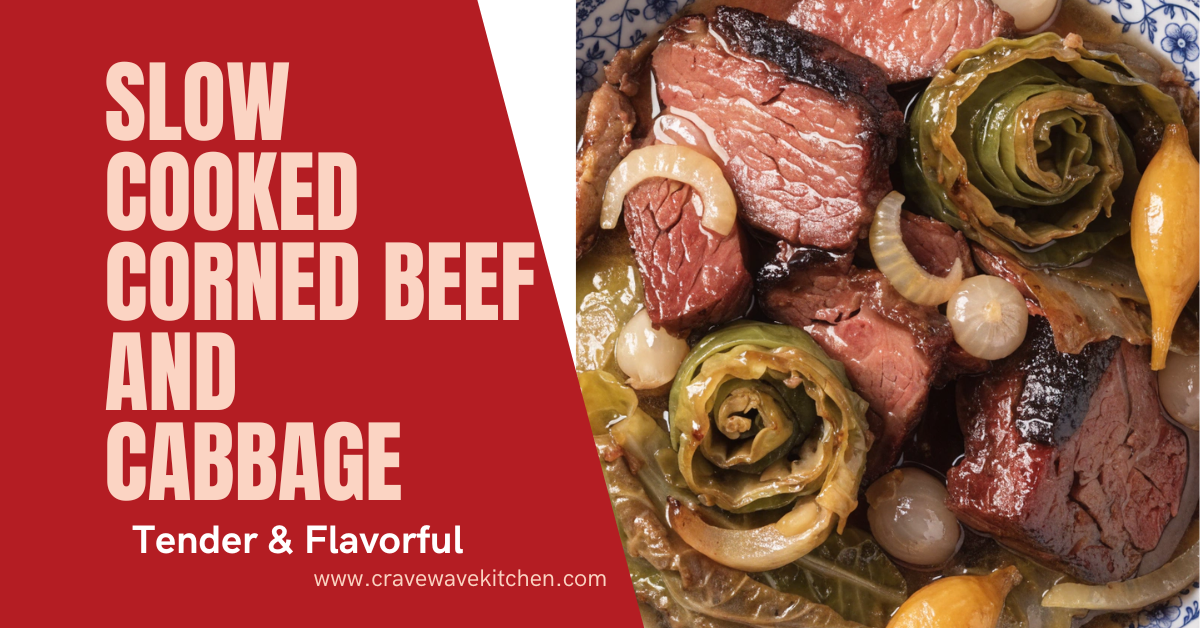
If you’re craving a rich, hearty, and melt-in-your-mouth meal, this Slow Cooked Corned Beef and Cabbage Recipe is the ultimate comfort dish. Tender corned beef brisket is slowly cooked with aromatic onions, garlic, potatoes, carrots, and cabbage until everything is infused with deep, savory flavor.
The beauty of this recipe is its simplicity. You don’t need complicated cooking techniques or expensive ingredients to create a satisfying dinner. Once the brisket is prepared and placed in the slow cooker, most of the work happens while you wait.
Whether you’re preparing a traditional meal for St. Patrick’s Day, feeding your family on a chilly evening, or simply looking for an easy make-ahead dinner, this Slow Cooked Corned Beef and Cabbage Recipe delivers tender meat and flavorful vegetables with minimal effort.
Why You’ll Love This Recipe
There are plenty of reasons to add this recipe to your regular dinner rotation.
- ✔ Ultra-tender beef: Slow cooking allows the brisket to become incredibly tender and easy to slice.
- ✔ Deep savory flavor: Beef broth, garlic, onion, bay leaves, and the included spice packet create a flavorful cooking liquid.
- ✔ Easy preparation: Most of the cooking happens in the slow cooker.
- ✔ One-pot meal: The meat and vegetables cook together, making cleanup simple.
- ✔ Beginner-friendly: No advanced cooking skills are required.
- ✔ Perfect for gatherings: A large brisket can comfortably feed a family or group.
- ✔ Great for leftovers: Extra corned beef can be used in sandwiches, hash, wraps, and other meals.
- ✔ Meal-prep friendly: The cooked beef and vegetables store well for several days.
What Is Corned Beef and Cabbage?
Corned beef and cabbage is a classic comfort meal featuring cured beef brisket served with vegetables, traditionally including cabbage, potatoes, and carrots. Despite the name, “corned” beef doesn’t refer to corn. The term comes from the large grains of salt, historically called “corns,” that were used to cure the beef. Modern corned beef brisket is usually sold already cured and often comes with a small packet of pickling spices. These spices add additional flavor as the meat cooks.
In this Slow Cooked Corned Beef and Cabbage Recipe, the brisket is cooked slowly in a savory broth alongside aromatics before the vegetables are added at different stages. This approach helps the beef become tender while preventing the potatoes, carrots, and cabbage from becoming overly soft.
Ingredients for Slow Cooked Corned Beef and Cabbage Recipe
The ingredient list is straightforward, making this an excellent recipe when you want a substantial meal without a long shopping list.
Ingredients for the Corned Beef
- 3–4 lbs corned beef brisket with spice packet
- 4 cups beef broth or water
- 1 medium onion, sliced
- 4 garlic cloves, smashed
- 2 bay leaves
- 1 teaspoon black peppercorns
Ingredients for the Vegetables
- 1 medium green cabbage, cut into wedges
- 4 carrots, peeled and cut into large pieces
- 6 small Yukon Gold or red potatoes
- 1 tablespoon butter, optional, for serving
Optional Serving Ingredients
You can also have a few simple accompaniments ready when serving:
- Dijon mustard
- Yellow mustard
- Prepared horseradish
- Fresh crusty bread
- Chopped fresh parsley
- Extra butter for the vegetables
These additions aren’t necessary for the main recipe, but they can give each serving an extra layer of flavor.
How to Choose the Best Corned Beef Brisket
Choosing the right brisket can make a noticeable difference in the finished dish. When shopping for the brisket, look for a piece with some visible fat. Fat contributes moisture and flavor during the long cooking process. You may find both flat-cut and point-cut corned beef briskets.
The flat cut is generally leaner and has a more uniform shape, making it convenient when you want neat slices. The point cut usually contains more fat and can become especially rich and tender after slow cooking. Either cut can work well for this Slow Cooked Corned Beef and Cabbage Recipe, so choose based on your preference and availability.
How to Make Slow Cooked Corned Beef and Cabbage Recipe
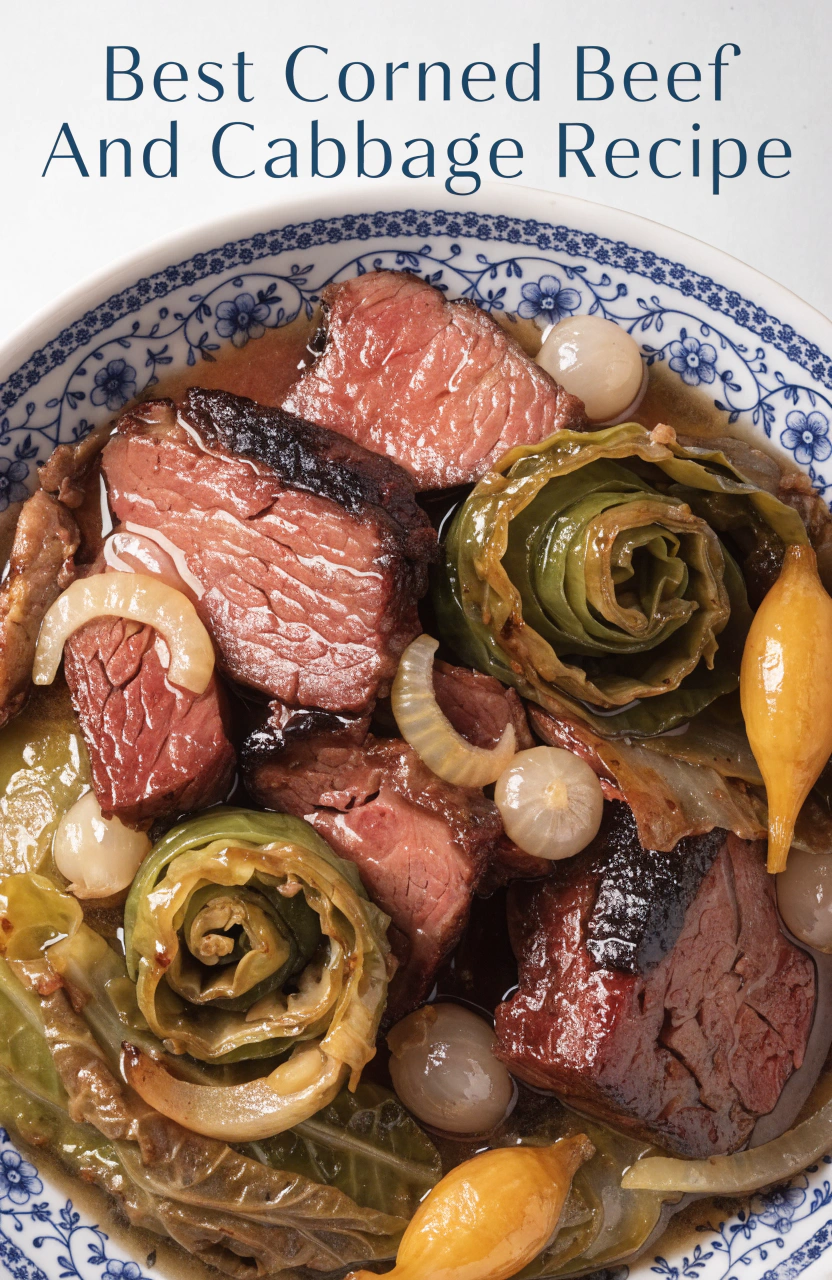
Step 1: Prepare the Slow Cooker
Start by preparing your slow cooker and making sure the cooking insert is clean and large enough to hold the brisket and vegetables. Place the corned beef brisket inside with the fat side facing upward. If the brisket comes with a spice packet, sprinkle the seasoning over the top of the meat. Add the sliced onion, smashed garlic cloves, bay leaves, and black peppercorns around the brisket. There’s no need to add additional salt at this stage because corned beef has already been cured and can naturally contain a significant amount of salt.
Step 2: Add the Cooking Liquid
Pour approximately 4 cups of beef broth into the slow cooker. The liquid should come high enough around the brisket to keep it moist, but you don’t necessarily need to completely cover a large brisket. Beef broth provides a deeper savory flavor than plain water, although water can still be used if that’s what you have available. The combination of broth, onion, garlic, and spices will gradually create a flavorful cooking liquid as the brisket cooks.
Step 3: Slow Cook the Corned Beef
Cover the slow cooker with its lid and cook according to the following times:
- LOW: 8–10 hours
- HIGH: 4–5 hours
For the most tender results, cooking on LOW is generally the preferred method. Slow cooking gives the connective tissues in the brisket time to break down, transforming a relatively tough cut of beef into tender meat that can be sliced easily. Avoid repeatedly opening the slow cooker during cooking. Every time the lid is removed, heat escapes and the cooking process can take longer.
Step 4: Add the Potatoes and Carrots
When there are approximately 2–3 hours remaining, add the potatoes and carrots. Cut the vegetables into relatively large pieces so they can withstand the extended cooking time without becoming mushy. Arrange them around the brisket and cover the slow cooker again. The potatoes will absorb some of the flavorful broth while the carrots become tender and naturally sweet.
Step 5: Add the Cabbage
Add the cabbage wedges during the final 1–1½ hours of cooking. Cabbage cooks considerably faster than the brisket, potatoes, and carrots. Adding it too early can cause it to become extremely soft and lose much of its texture. Place the cabbage wedges around the meat, cover the slow cooker, and continue cooking until the cabbage reaches your preferred tenderness. For cabbage that retains more structure, check it toward the earlier end of the cooking window.
Step 6: Check the Corned Beef
Once the cooking time is complete, carefully remove the brisket from the slow cooker. The meat should be very tender. If it still feels tough, don’t immediately assume that something went wrong. Toughness can simply mean that the brisket needs additional cooking time. Continue cooking until the connective tissue has had enough time to break down.
Step 7: Rest the Meat Before Slicing
Transfer the cooked brisket to a cutting board and allow it to rest for approximately 10 minutes. Resting gives the meat time to settle before slicing and makes it easier to handle. For the best texture, identify the direction of the muscle fibers and slice the brisket against the grain. Cutting against the grain shortens the muscle fibers, making each bite easier to chew.
Step 8: Serve the Corned Beef and Vegetables
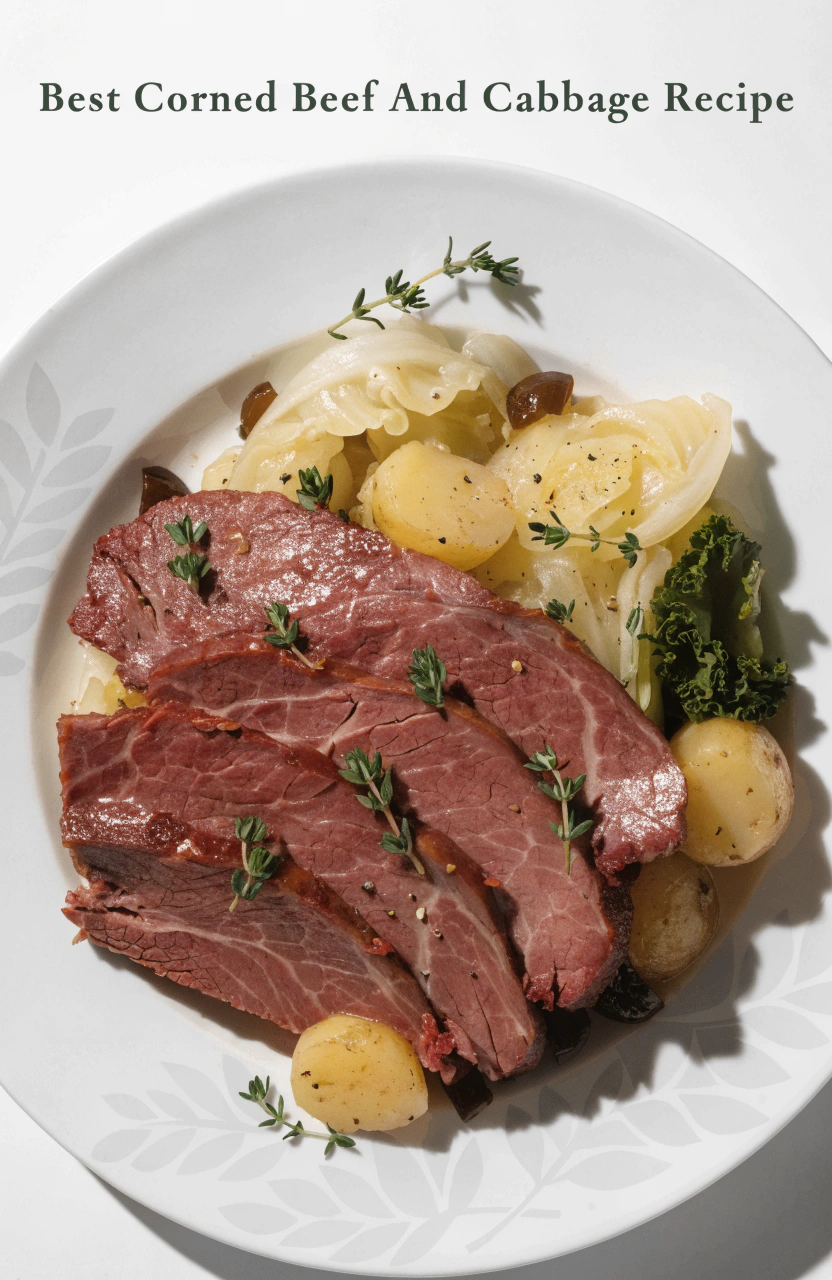
Arrange slices of corned beef on a serving platter alongside the potatoes, carrots, and cabbage. Spoon a little of the flavorful cooking broth over the meat and vegetables before serving. You can also serve mustard, horseradish, melted butter, or fresh crusty bread on the side.
How Long Does Corned Beef Take in a Slow Cooker?
The cooking time depends on the temperature setting and the size of your brisket. For this Slow Cooked Corned Beef and Cabbage Recipe, a 3–4 pound brisket generally works well with:
- 8–10 hours on LOW
- 4–5 hours on HIGH
However, cooking time can vary depending on the specific slow cooker, the thickness of the brisket, and the desired tenderness. Rather than relying only on the clock, use tenderness as an important indicator that the meat is ready.
When Should You Add Vegetables?
One of the most important techniques in this Slow Cooked Corned Beef and Cabbage Recipe is adding each vegetable at the right time.
Potatoes and Carrots
Add potatoes and carrots approximately 2–3 hours before serving. They need more time than cabbage but less time than the brisket.
Cabbage
Add cabbage approximately 1–1½ hours before serving. This allows it to become tender while maintaining more of its natural texture. Adding everything at the beginning may seem convenient, but the vegetables can become overly soft before the brisket reaches its ideal tenderness.
Tips for Perfect Slow Cooked Corned Beef and Cabbage
Slice Against the Grain
This is one of the most important finishing steps. Look for the direction of the muscle fibers and cut perpendicular to them.
Don’t Add Too Much Salt
Corned beef has already been cured, so additional salt may not be necessary. Taste the cooking liquid and vegetables before adding any extra seasoning.
Use Beef Broth for More Flavor
Water works, but beef broth can give the finished dish a richer and more savory character.
Don’t Add the Cabbage Too Early
Cabbage cooks much faster than brisket. Adding it during the final part of cooking helps preserve a better texture.
Give the Brisket Time
If your corned beef is still tough, it may simply need additional cooking time. Slow cooking requires patience.
Keep the Lid Closed
Opening the slow cooker repeatedly allows heat to escape and can extend the cooking time.
Cut the Vegetables Uniformly
Try to keep potatoes and carrots similar in size so they cook at approximately the same rate.
Should You Rinse Corned Beef Before Cooking?
Rinsing corned beef is optional. Because corned beef is cured in a salty brine, rinsing the brisket under cool water can remove some surface brine and potentially reduce the overall saltiness of the finished dish. If you prefer a stronger cured-beef flavor, you can skip rinsing. If you are particularly sensitive to salty foods or have found corned beef too salty in previous recipes, rinsing the brisket is a simple step worth considering.
Can You Cook Corned Beef Without Beef Broth?
Yes. You can substitute water for beef broth in this Slow Cooked Corned Beef and Cabbage Recipe. The brisket itself, along with the onion, garlic, spices, and cooking juices, will still provide plenty of flavor. However, beef broth can add additional savory depth, so it is a useful choice when available.
How to Keep Corned Beef Tender
Tender corned beef comes down to time, temperature, moisture, and slicing technique. The brisket contains connective tissue that needs time to soften. Cooking it slowly allows that connective tissue to break down gradually. Keeping enough liquid in the slow cooker also helps maintain a moist cooking environment. Finally, even perfectly cooked brisket can seem tougher if it is sliced incorrectly. Always slice against the grain and avoid cutting the meat into excessively thick pieces.
Common Mistakes to Avoid
Cooking Everything at the Same Time
The brisket needs significantly more time than cabbage. Add the vegetables according to their individual cooking times.
Adding Extra Salt Too Soon
The curing process already gives corned beef plenty of seasoning. Wait until the dish is finished before deciding whether additional salt is needed.
Slicing With the Grain
Slicing in the same direction as the muscle fibers can make the meat seem chewier.
Cooking on HIGH for Too Long
Although the HIGH setting works when you’re short on time, the LOW setting gives you more flexibility and is ideal when you want a slow, tender result.
Cutting the Brisket Immediately
Allowing the meat to rest before slicing makes it easier to portion and serve.
Serving Suggestions for Slow Cooked Corned Beef and Cabbage
A hearty meal like this doesn’t require complicated side dishes. Serve your Slow Cooked Corned Beef and Cabbage Recipe with:
- Fresh crusty bread
- Irish-style soda bread
- Dijon mustard
- Yellow mustard
- Horseradish sauce
- Melted butter
- Pickles
- Fresh parsley
The rich beef pairs particularly well with tangy mustard or horseradish because the acidity and sharpness help balance the richness of the meat.
What to Do With Leftover Corned Beef
One of the best things about making a large brisket is having leftovers. Cooked corned beef can be transformed into several different meals.
Corned Beef Sandwiches
Thinly slice leftover beef and layer it onto toasted bread with mustard, pickles, cheese, or your favorite sandwich toppings.
Corned Beef Hash
Dice leftover corned beef and combine it with potatoes and onions in a skillet. Cook until the edges become golden and crispy.
Breakfast Bowls
Use leftover beef with roasted potatoes and vegetables to create a hearty breakfast bowl. Add a fried or poached egg for extra richness.
Wraps
Slice the leftover brisket thinly and add it to a tortilla with cabbage, mustard, potatoes, or other vegetables.
Storage Instructions
Allow leftover corned beef and vegetables to cool before transferring them to airtight containers.
Refrigerator
Store leftovers in the refrigerator for up to 4 days. Keeping some cooking broth with the meat can help prevent it from drying out during storage.
Freezer
Corned beef can be frozen for up to approximately 2 months for best quality. For easier future meals, divide the meat into individual portions before freezing. Label the container with the date so you know how long it has been stored.
Reheating
For the best texture, reheat the corned beef gently with a little broth. Avoid overheating the meat because excessive heat can make already-cooked beef dry or chewy.
Can You Make This Recipe Ahead of Time?
Yes. This Slow Cooked Corned Beef and Cabbage Recipe works well as a make-ahead meal. You can cook the brisket and vegetables ahead of time, allow them to cool, and store them in the refrigerator. When you’re ready to serve, gently reheat the meat with some of the cooking liquid. This makes the recipe especially convenient for family gatherings and holiday meals when you don’t want to prepare everything immediately before dinner.
Slow Cooker vs. Pressure Cooker
If you’re short on time, a pressure cooker can significantly reduce the cooking time. For a pressure cooker version, cook the corned beef under high pressure for approximately 90 minutes, depending on the size and specific appliance. Allow the pressure to release according to the appliance’s instructions, then add the vegetables and cook for another 5–10 minutes as appropriate. The exact timing can vary, so follow your pressure cooker’s guidelines for the weight and type of brisket you’re using. The slow cooker remains a convenient option when you want to start the meal earlier and let it cook gradually throughout the day.
FAQs
Can I use a pressure cooker instead?
Yes! Cook on high pressure for about 90 minutes, then add vegetables and cook for another 5–10 minutes.
Why is my corned beef tough?
It likely needs more time. Slow cooking breaks down tough fibers — patience is key!
Do I need to rinse corned beef?
Optional, but rinsing can reduce excess salt.
Check our Instagram and Facebook pages for more recipes.
